Blog

Muscle Damage and Inflammation During Exercise Recovery: What to Know

Muscle damage and inflammation during recovery from exercise are part of how the body responds to unfamiliar or demanding training. Soreness can be a normal short-term response, but it is not a scorecard for workout quality, and more soreness does not mean better progress. Understanding the difference between ordinary post-exercise soreness and symptoms that deserve attention can help you make sensible decisions about rest and your next session.

Ask Oxynergy2 about recovery options

What happens to muscles after a demanding workout?

Exercise places stress on muscle and other tissues. The type and amount of stress depend on what you did, how hard you worked, how long you trained, and whether the movement was new to you. A challenging strength session, a long run, or a return to training after time away can each create a different recovery response.

In everyday conversation, people often call this response “muscle damage.” In exercise science, the term can describe a range of changes rather than one single event. These may include temporary disruption in muscle fibers, local inflammatory signaling, soreness, stiffness, and a short-term drop in strength or range of motion. The degree varies widely, and soreness alone cannot tell you exactly what is happening inside the tissue.

Exercise-induced muscle damage has been studied in relation to delayed soreness and temporary changes in muscle function. Symptoms may not show up immediately and can develop over the hours after an unfamiliar or strenuous workout. They often ease over several days, though the timeline varies with the person and the exercise. See this review on exercise-induced muscle damage, its causes, and its symptoms for a research overview.

What is inflammation doing during recovery?

Inflammation is a broad biological response, not automatically a sign that something has gone wrong. After demanding exercise, local signals help coordinate the body’s response to stress and the repair process. That does not mean every inflammatory response is helpful in every circumstance, or that a person should try to increase or suppress it with a particular product or service.

Researchers describe a changing recovery process rather than a single switch from “damage” to “healing.” Timing and extent depend on the exercise, training history, and individual factors. A review of muscle damage and inflammation during recovery from exercise discusses how inflammation has a complex role in recovery and adaptation. The practical takeaway is modest: normal recovery involves a range of responses, so soreness by itself is not a reason to panic or proof that a workout was productive.

It is also useful to distinguish soreness from a diagnosis. A blog post cannot determine whether an individual has a strain, another injury, or a medical issue. If symptoms are severe, unusual, worsening, or concerning, consult a qualified health professional rather than trying to interpret them through a wellness article.

Researchers may assess recovery with more than one measure, such as soreness reports, strength tests, movement, and blood markers. These measures do not always change in sync. Someone may feel tender while being able to move normally, or may notice reduced force without strong soreness. That is one reason a single symptom or popular recovery metric should not be treated as a complete picture of what is happening.

How is ordinary soreness different from a possible injury?

Delayed-onset muscle soreness, often shortened to DOMS, commonly appears after an unfamiliar or unusually demanding activity. It may feel like tenderness or stiffness in the muscles you exercised, and movement can feel less comfortable for a time. It is generally temporary, but there is no universal timetable that applies to everyone.

A sudden sharp pain during a movement, pain focused in one specific spot, marked swelling, significant bruising, or an inability to use a limb normally is different from the usual mild post-workout ache. Those signs do not establish a diagnosis, but they are reasons to stop the activity and seek appropriate professional advice. Seek prompt medical attention for severe symptoms or symptoms that feel urgent. Do not use soreness as a reason to push through pain.

The research literature notes that exercise-induced muscle damage can involve both soreness and a temporary loss of muscle function, with symptoms that may persist for days. The exact experience is not a reliable self-test for injury. Pay attention to how symptoms change, what movements bring them on, and whether ordinary function is returning; share that information with a clinician if you need an assessment.

Why might one workout leave you more sore than another?

Several factors can influence the response. One is novelty: a movement, pace, or training volume your body is not accustomed to may feel more demanding than a familiar session. Eccentric actions, where a muscle lengthens while producing force, are often used in research on exercise-related muscle damage. Examples include lowering a weight or running downhill. This does not mean those movements are inherently unsafe; it means the dose and the person’s preparation matter.

Other influences include the total work performed, effort level, rest between sessions, sleep, nutrition, hydration, and recent training consistency. These factors interact. A person who has trained regularly may respond differently to a familiar workload than someone returning after a long break. Even within one person, a similar workout may feel different on a day with poor sleep or accumulated fatigue.

Research studies often use carefully controlled exercise protocols to observe changes over time. Their findings can help explain general patterns, but they do not predict precisely how one individual’s soreness will feel or how quickly it will fade. For example, a study tracking muscle damage and inflammatory responses after eccentric overload exercise describes a time course in a specific research setting. It should not be treated as a personal forecast.

What can you do during a normal recovery period?

Start with the basics and adjust to how you feel. Recovery is not a contest, and an elaborate routine is not required after every workout.

  • Give the most sore muscles time. Consider reducing intensity or avoiding another hard session for the same area while soreness or reduced function is pronounced.
  • Keep movement comfortable. Light everyday activity may feel fine for some people. Stop if it increases pain or brings on a symptom that concerns you.
  • Return gradually. After a break or a new training block, build duration, load, and intensity in manageable steps instead of changing everything at once.
  • Support routine recovery needs. Make time for sleep, regular meals, and fluids appropriate to your activity and circumstances. These are general foundations, not guaranteed ways to erase soreness.
  • Notice patterns without over-monitoring. A simple note of the activity, when symptoms started, and how function changed may be more useful than repeatedly testing a sore muscle.

For example, if a new lower-body session leaves you mildly stiff the next morning but walking and daily movement feel normal, you might choose an easy walk or train a different area rather than repeat a demanding leg session. If normal movement feels limited, soreness is pronounced, or symptoms are changing for the worse, make the adjustment more conservative and seek advice if needed. This is an illustration, not a personal prescription; the right choice depends on your health, activity, and symptoms.

Food and hydration are part of general training support, but there is no single recovery meal or fluid target that applies to everyone. Regular meals that fit your needs and drinking according to your circumstances are reasonable basics. People with medical conditions or specific nutrition needs should get individualized guidance from a qualified professional. Avoid interpreting a commercial recovery claim as proof that a product will prevent muscle damage or accelerate repair.

Gentle mobility or other low-intensity activity may be comfortable, but it should not be framed as a way to force a faster recovery. Likewise, no single supplement, device, or wellness session can promise to prevent soreness or repair an injury. If you are training for a sport, have a health condition, or are unsure how to modify activity, ask a qualified health professional or an appropriately credentialed coach for guidance suited to you.

How should you plan your next workout?

Use function, not soreness alone, to guide your next step. Mild tenderness with normal movement may call for an easier session, a different activity, or simply continuing your planned routine at a comfortable level. More substantial soreness, reduced range of motion, or strength that has not returned may be a reason to postpone intense work for that muscle group.

Think of progression as a series of manageable changes. If you are beginning a new program, increase one or two variables at a time, such as duration or resistance, and leave room for rest days. A training log can help you spot when a sudden jump in workload preceded a difficult recovery period. If pain is sharp, worsening, or affecting normal function, do not use the training plan to override it; seek professional advice.

There is no need to chase inflammation or soreness as evidence that training “worked.” A well-planned exercise routine can be challenging without making every session exhausting. Consistency, appropriate progression, and enough recovery opportunity are more useful long-term guideposts than how uncomfortable you feel the next day.

A practical example: if you have been away from strength training, begin with familiar, manageable movements and a workload you can complete with controlled form. Keep that level steady long enough to learn how you respond before adding more sets, heavier resistance, or extra training days. If soreness makes normal movement difficult, the jump may have been too large for that moment; reduce the next session and reassess rather than trying to “make up” missed work. This gradual approach cannot guarantee that soreness will not occur, but it makes changes easier to notice and adjust.

Can a wellness service be part of a recovery routine?

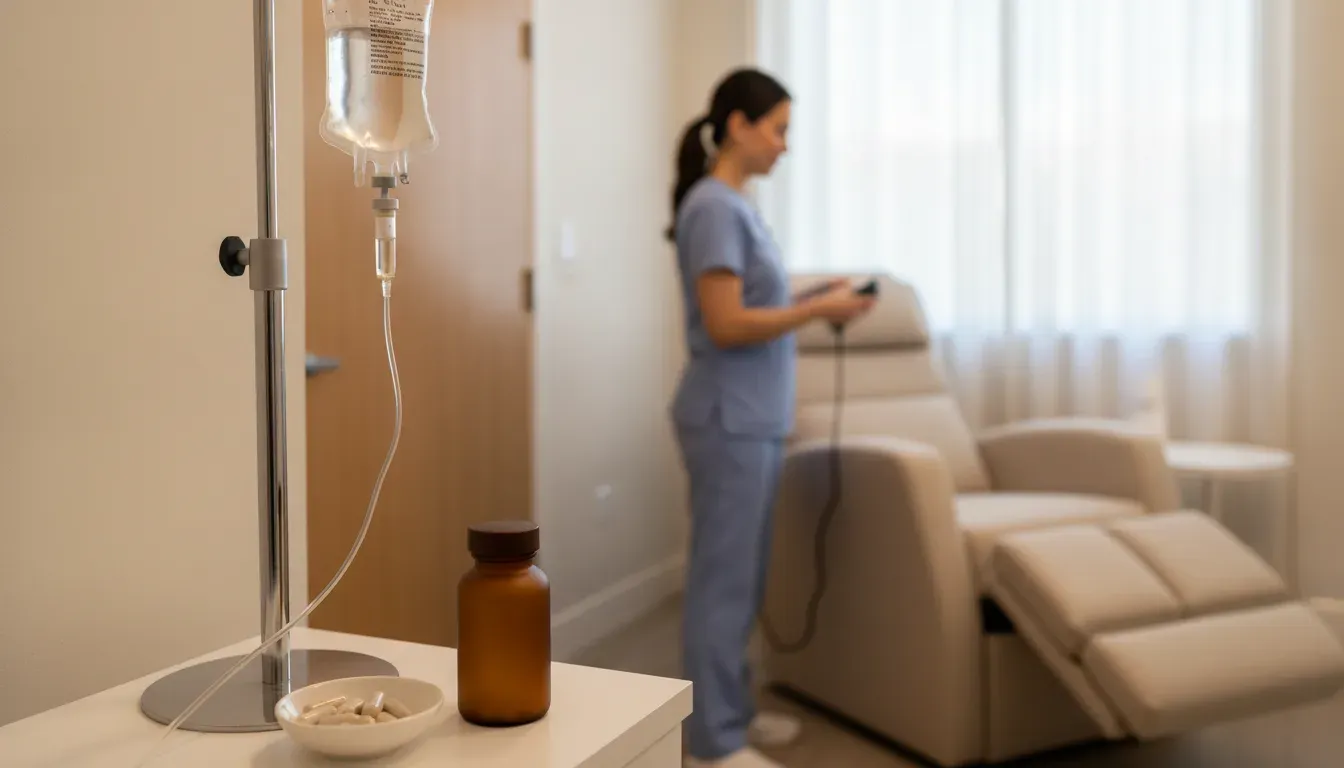
Some people explore wellness services alongside their broader recovery habits. Oxynergy2 offers hyperbaric oxygen therapy as a wellness service, as well as red light therapy and IV vitamin drips. These services should not be presented as medical care, a diagnosis, or a guaranteed way to resolve exercise-related muscle damage or inflammation. They are not substitutes for evaluation or treatment from a qualified clinician when that is needed.

If you are curious about what a session involves, review the service details and ask questions before deciding. The hyperbaric oxygen therapy page explains the center’s HBOT offering, while the red light therapy page and IV therapy information describe other wellness options. For a general overview of the center, see the Beverly Hills wellness center page.

If you have a current injury, significant symptoms, a medical condition, or questions about whether a session is suitable for you, talk with your clinician first. Oxynergy2’s services are wellness offerings, not a replacement for individualized medical guidance. You can also review service pricing and contact the center with practical questions.

What you notice A reasonable next step Keep in mind
Mild, familiar soreness that does not limit normal movement Continue comfortable daily activity and consider an easier workout. Soreness alone does not measure workout quality or progress.
Pronounced soreness or temporary reduction in strength or motion Reduce the load on that area and allow more recovery time. Adjust based on function and how symptoms change.
Sudden, sharp, worsening, or very localized pain Stop the activity and seek qualified professional advice. A blog cannot determine whether an injury is present.
Severe, unusual, or urgent symptoms Seek prompt medical attention. Do not delay care to try a wellness service or self-care routine.

When should you talk with a health professional?

Consider professional advice when symptoms are intense, persist longer than you would expect, keep returning, interfere with daily activities, or are getting worse rather than better. It is also sensible to check in before returning to demanding exercise after an injury or when a health condition may affect your training. A clinician can assess your situation and help determine what kind of care is appropriate.

For athletes, the goal is not to avoid every sensation after training. It is to recognize what is familiar for you, avoid forcing activity through concerning symptoms, and seek help when the pattern changes. Coaches can help adjust a training plan, while health professionals can evaluate symptoms and provide medical guidance within their scope.

Contact Oxynergy2 with questions about wellness services

Frequently asked questions

Does soreness mean my workout was effective?

No. Soreness can follow a new or demanding session, but it is not required for progress and does not tell you exactly how much muscle adaptation occurred. Track training consistency and performance over time instead of aiming to feel sore.

How long does exercise-related muscle soreness last?

It varies. Delayed soreness may appear hours after exercise and can last for several days, particularly after unfamiliar or strenuous activity. Worsening, severe, or unusual symptoms deserve professional attention rather than assumptions about a normal timeline.

Should I train when I am sore?

That depends on severity and function. Mild soreness may be compatible with comfortable movement or an easier session, while pronounced soreness or reduced strength may call for less intensity or more rest. Do not train through sharp, worsening, or concerning pain.

Can inflammation after exercise be a good thing?

Inflammatory responses are part of the body’s complex response to exercise, but “good” and “bad” are too simple as blanket labels. The response varies, and the presence of soreness does not identify its cause or determine what action is appropriate for you.

A measured approach to exercise recovery

Muscle soreness and inflammation can be part of the body’s response to exercise, especially when training is new or more demanding than usual. Give recovery room, return to activity progressively, and use changes in pain and function—not soreness as a badge—to guide your choices. When symptoms feel unusual or interfere with normal activity, ask a qualified health professional for individual advice.

Chronic Fatigue Recovery: Questions to Ask

If you are searching for chronic fatigue recovery, it helps to start with a careful question rather than a promise. Persistent fatigue can affect work, relationships, movement, and ordinary decisions, yet the phrase does not explain what is causing it. Prepare specific questions for a qualified healthcare professional, especially when symptoms are ongoing, concerning, or changing.

Learn about NAD+ IV wellness support at Oxynergy2

Start with your own symptom pattern and goals before considering any wellness option.

Chronic fatigue recovery is not a diagnosis or a guaranteed outcome. It is a personal, carefully considered process. The goal is to understand what you are experiencing, discuss appropriate evaluation and support with a qualified professional, and set realistic goals without assuming one approach will fit everyone.

Before considering any wellness option, it helps to define what improvement would actually mean in your daily life. That may include clearer energy patterns, more manageable routines, or simply better questions about what deserves attention first.

What Does Chronic Fatigue Recovery Mean to You?

Before looking for answers, it helps to clarify what “recovery” would mean in your own life. Chronic fatigue is a broad phrase, not a diagnosis. Persistent tiredness can have many possible explanations, and this article cannot determine whether someone has myalgic encephalomyelitis/chronic fatigue syndrome (ME/CFS) or another condition. A qualified healthcare professional can help you describe what is happening and decide what evaluation is appropriate.

Separate a broad symptom from a diagnosis

ME/CFS is described by the CDC as a serious, often long-lasting illness that can limit usual activities. It may involve severe fatigue, trouble thinking, sleep problems, pain, dizziness, and worsening after physical or mental activity. Those experiences can be significant, but noticing one or more of them does not establish a diagnosis. Symptoms may resemble other illnesses, and the CDC notes that there is no single test that confirms ME/CFS. See the CDC overview of ME/CFS for a careful explanation of the condition and its diagnostic uncertainty.

Define progress in practical, personal terms

There is no universal definition of chronic fatigue recovery. The CDC states that there is no known cause or cure for ME/CFS and that care generally focuses on the symptoms affecting a person’s daily life. Recovery may mean symptom reduction, rebuilding a routine, or understanding personal limits more clearly. Those possibilities are prompts for discussion, not a standard or promise. Ask a qualified professional how to describe meaningful progress in your situation.

Your answer might involve completing a basic task more consistently, participating in a valued activity with fewer setbacks, or understanding your limits well enough to plan with less uncertainty. Keep notes on better and harder days, and bring them to a qualified professional so your goals support an informed conversation rather than replace one.

What Should You Bring to a Qualified Professional Conversation?

A useful conversation starts with an honest picture of what has changed, rather than a conclusion about why you feel fatigued. ME/CFS can be difficult to distinguish from other illnesses, so a thorough health history and current-illness discussion are important parts of professional evaluation. Learn about Oxynergy2 as a wellness center, while directing diagnosis and individualized medical guidance to a qualified healthcare professional.

Prepare the story behind the symptoms

Bring notes, dates, medication or supplement information, and questions. A short symptom and activity diary may help you notice patterns, especially when symptoms vary over time. You do not need a perfect record. A few concrete examples can be more useful than trying to summarize everything from memory.

Use these questions to guide the visit

  1. What was happening when this began? Note when the fatigue started, whether it followed an illness or another major change, and how it has developed. Ask what parts of your health history may be relevant and what information the professional needs to distinguish possible explanations.
  2. How does it affect ordinary life? Describe changes in work, school, family, social participation, and routine tasks such as cooking or showering. Ask which difficulty should be prioritized first. ME/CFS can interfere with daily activities and participation, but fatigue alone does not establish that diagnosis. The CDC overview provides context for discussing these impacts.
  3. When do changes happen? Explain what follows physical, mental, or emotional activity, including any delayed worsening. Post-exertional symptoms may begin soon after activity or several days later, often worsening 12 to 48 hours afterward and lasting days or weeks. Ask how to document these patterns without assuming what they mean.
  4. What care or self-directed steps are already in use? Bring a complete list of current care, medicines, supplements, and relevant evaluations. Ask what should be continued, changed, or reviewed by another professional. Do not stop prescribed care based on a general article.
  5. What are the possible benefits and harms of each option? Ask what a proposed plan is intended to address, what uncertainty remains, and what warning signs or unwanted effects to monitor. Because people can respond differently, discuss possible benefits and harms before starting medicines or other therapies, rather than assuming one approach will fit everyone. CDC management guidance supports this shared, individualized conversation.

Which Patterns and Daily Changes Are Worth Describing?

A useful symptom description is less about choosing the right label and more about showing what changed, when it changed, and how it affects ordinary life. A simple activity and symptom diary may help reveal personal limits, especially early on, according to the CDC. It can also give a qualified healthcare professional clearer information to consider. A pattern is worth recording even when you are unsure what it means.

Notice timing around activity

Write down the activity, how demanding it felt, and what happened afterward. Include physical effort, concentrated thinking, emotional effort, and routine tasks. The CDC notes that post-exertional malaise, or PEM, can begin shortly after exertion or several days later. Symptoms typically become worse 12 to 48 hours after an activity and may last for days or weeks. That delayed timing is easy to miss if you only describe how you felt during the activity.

Keep the language observational. For example, note the timing and activity in plain words. You might write, “I felt more exhausted the next afternoon after grocery shopping.” Do not use a diary to confirm a diagnosis or push through symptoms. Its purpose is to describe your experience accurately for discussion.

Describe sleep, thinking, pain, and daily tasks

Note whether sleep feels restorative, whether thinking or remembering becomes harder, and whether pain, dizziness, or severe tiredness appears alongside fatigue. The CDC lists sleep problems, trouble thinking, dizziness, and pain among symptoms that may occur with ME/CFS, but these observations alone do not establish that diagnosis. Similar experiences can have different explanations, so bring persistent or concerning changes to a qualified professional.

Daily function often communicates impact better than a general rating. Record what you could do before the change and what is difficult now, such as showering, preparing food, brushing your teeth, working, studying, or maintaining social contact. Routine activities, including grocery shopping, tooth brushing, or interacting with others, may trigger PEM for some people. Describing the task, timing, recovery period, and degree of assistance needed gives the conversation useful context without turning a symptom list into self-diagnosis.

Include both better and harder days when you can. That broader record may give a qualified professional more context than one unusually good or difficult day.

For background, review the CDC overview of ME/CFS symptoms and CDC guidance on symptom patterns and activity, then bring questions about your own experience to a qualified professional.

How Can You Talk About Possible Next Steps Safely?

A careful conversation starts with uncertainty, not a promise. If a qualified healthcare professional is helping you understand persistent fatigue, ask how your symptoms, history, and daily limits shape the options under consideration. CDC guidance emphasizes that ME/CFS affects people differently, so there is no one-size-fits-all management solution. Read the CDC management guidance for context.

Questions that keep the conversation individualized

Bring specific observations, but avoid treating a symptom pattern as a diagnosis. Ask which concern should be prioritized first, what information would change the plan, and how progress or setbacks will be recognized. CDC recommends that people, families, and healthcare providers work together to identify the symptom causing the most difficulty. That approach leaves room for your experience, changing symptoms, and professional judgment.

Questions to ask before considering a next step
Question area Why to ask What not to assume
Main daily difficulty It helps clarify which symptom or activity deserves attention first. That one symptom explains every part of your condition.
Possible benefits You can define what a reasonable, observable improvement might look like. Any proposed option will help, or will produce recovery.
Possible harms You can discuss risks, tradeoffs, and what to do if symptoms worsen. “Natural,” complementary, or familiar means risk-free.
Activity and rest You can ask how to respect your personal physical and mental limits. Increasing activity is automatically the right next step.

What cautious planning can look like

Before starting medicines or other therapies, ask about possible benefits and harms, alternatives, timing, and when to check in again. CDC notes that symptom-management strategies may improve quality of life for some people but may not work for everyone. Its guidance describes pacing as balancing activity and rest to avoid post-exertional malaise, while recognizing that individuals must identify their own limits. This is a topic for a qualified professional who knows your situation, not a generalized protocol to apply from an article.

Keep expectations flexible. A next step may clarify what is happening, support one manageable goal, or show that an approach is not a good fit. None of those outcomes proves or disproves a diagnosis, and none guarantees chronic fatigue recovery. If symptoms change, become more limiting, or raise new concerns, share that information with an appropriate healthcare professional rather than attempting to adjust care alone.

What Should You Ask About NAD+ IV Therapy and Wellness Services?

Once you have discussed persistent or concerning fatigue with a qualified healthcare professional, you may still have practical questions about wellness services. The goal is to understand what a facility offers, how a session works, and what screening is involved. Oxynergy2 provides wellness experiences in Beverly Hills, not diagnosis or medical treatment for chronic fatigue recovery.

What should you ask about NAD+ IV therapy?

NAD+ is a coenzyme involved in cellular energy processes, which is why people may ask about it when they are interested in long-term energy production. That role does not establish that an NAD+ IV will improve long-term energy, treat chronic fatigue, or produce a lasting outcome. Individual experiences vary, so ask a qualified healthcare professional whether an IV service is appropriate for your situation and what alternatives or uncertainties matter.

NAD+ supplement capsules beside an IV drip in a wellness setting
Ask about the ingredients, screening, and session process before considering NAD+ IV wellness support.

Oxynergy2 lists NAD+ as an optional wellness IV. Its service information states that NAD or NAD+ has not been approved or regulated by the FDA in California and that no outcome is promised. IV drips and injections are administered by registered nurses under medical oversight, with telehealth suitability screening before service. Ask what the screening covers and disclose relevant medications, conditions, and concerns.

Clarify the service and session logistics

Ask which service is being discussed, what a typical visit includes, how long the session lasts, and what you should do before arriving. For example, Oxynergy2 describes hyperbaric oxygen wellness sessions in 30-, 60-, 90-, and 120-minute formats. The appropriate format depends on the service context, protocol, client tolerance, and stated objectives. Those details describe logistics, not a chronic-fatigue treatment plan or promised outcome.

You can also ask who will explain the experience, what equipment or environment to expect, and what would make it reasonable to pause or reschedule. Clear answers help you decide whether the service fits your preferences without turning a wellness visit into a substitute for clinical evaluation.

Ask about screening and oversight

For IV services, ask what information is needed before the visit and how suitability is assessed. Oxynergy2’s IV wellness services and screening include a telehealth suitability screening before service. You can ask what the screening covers, which concerns should be disclosed, and what happens if the service is not appropriate for you.

It is also important to clarify professional roles. Dr. Neal Kumar’s medical oversight is limited to IV drips and vitamin injections. It does not extend to HBOT, sauna, red light, BioCharger, massage, oxygen bar, or compression services. Ask the facility to explain the scope of each service plainly, and take questions about symptoms, diagnosis, medications, or ongoing care to your qualified healthcare professional.

Keep expectations specific and measured

Useful questions include: “What does this visit involve?” and “What should I understand about its limits?” Avoid assuming that a wellness service treats chronic fatigue or guarantees recovery. If you would like to learn more, contact Oxynergy2 for service information without presenting the conversation as medical care.

How Do You Decide What to Ask After the Visit?

A follow-up conversation can be useful even when it does not produce a simple answer. Fatigue and related symptoms may change over time. A clear record of what you heard and what remains uncertain can help you focus your next discussion.

Separate what was clarified from what is still open

After the visit, write down the main points in plain language. Which concerns were addressed? Which observations or test results still need explanation? Were you given a specific next step, or only a suggestion to monitor a pattern? If the term chronic fatigue recovery came up, ask what it means in your individual situation. Do not assume it describes a diagnosis or a guaranteed outcome.

It is also reasonable to ask which symptom or daily limitation deserves the most attention first. The CDC notes that people with ME/CFS, their families, and healthcare providers may need to work together to prioritize the symptom causing the most difficulty. Any proposed plan should include a discussion of possible benefits and harms before you begin it: the CDC’s management guidance explains this shared decision-making principle.

Document patterns and know when to ask again

Keep a brief activity and symptom diary if it is manageable. Note what changed, when it changed, what you were doing beforehand, and how long the effect lasted. The CDC says these diaries may help people identify personal limits, particularly early in the illness. Bring the record to a qualified healthcare professional and ask whether it changes the questions or next steps. Do not use it to diagnose yourself.

Seek further human guidance when symptoms change, interfere more with daily life, or leave you unsure about the advice you received. Oxynergy2 offers wellness services, not medical evaluation or treatment. If you want to ask about the center’s scope or visit logistics, you can contact Oxynergy2 without treating that conversation as a substitute for care from a qualified healthcare professional.

If you want to ask about NAD+ IV wellness support or another service, contact Oxynergy2 for practical details and bring medical questions to your qualified healthcare professional.

Frequently Asked Questions

How long can chronic fatigue recovery take?

There is no dependable timeline because persistent fatigue has many possible causes, and people can experience changing symptoms and abilities. A qualified healthcare professional can help clarify what needs evaluation and how to track meaningful changes without treating a short-term improvement as proof of recovery. The CDC notes that ME/CFS symptoms may come and go or vary in severity over time.

Is there a cure for myalgic encephalomyelitis or chronic fatigue syndrome?

Do not assume that a recovery claim applies to you. The CDC states that there is no known cure or approved treatment for ME/CFS, although some symptoms may be managed. If your fatigue is persistent or affecting daily life, ask a qualified healthcare professional about evaluation, supportive options, and the limits of current evidence.

What should I track before discussing persistent fatigue?

Record when the fatigue began, how it affects work or daily tasks, sleep quality, other symptoms, recent illnesses, medications, and what happens after physical or mental activity. Bring questions about possible causes, reasonable next steps, and warning signs that need prompt attention. A simple record can make the conversation more specific without requiring you to diagnose yourself.

What can I ask after several days of extreme fatigue?

If fatigue is severe, new, recurring, or accompanied by concerning symptoms, ask a qualified healthcare professional what level of follow-up is appropriate for your situation. Bring the timing, daily impact, recent changes, and any current care information to that conversation rather than relying on a wellness service or online advice.

Contact us to explore your next step

If you have questions about wellness support, a calm conversation can help you understand what a visit involves and whether it fits your goals. Oxynergy2 offers a non-medical setting for discussing available wellness services, session details, and the questions you may want to raise with your qualified healthcare professional. To learn more and decide what feels appropriate, contact Oxynergy2 at your own pace.

Cognitive Wellness: Practical Brain Health Habits

Feeling mentally clear is not only about productivity. It can also shape how easily you learn, remember, make decisions, and move through ordinary parts of the day. A practical approach starts with the basics: noticing how sleep, movement, nourishment, stress, attention, and recovery fit together, then choosing changes you can sustain.

Contact Oxynergy2 to learn more about wellness services and ask questions about a visit.

Cognitive wellness is a general wellness goal centered on supporting clear thinking, learning, memory, and everyday function. The National Institute on Aging describes cognitive health as one part of overall brain health, not a diagnosis or a guarantee of a particular outcome. Small, manageable lifestyle changes may add up when they become part of a consistent routine. Learn more from the NIA.

The most useful plan is personal and realistic rather than extreme. Before choosing a routine, it helps to define what this idea includes and what it does not.

What Does Cognitive Wellness Mean?

Cognitive wellness is the everyday practice of supporting clear thinking, learning, memory, and the mental energy needed for ordinary activities. It is a broad wellness concept, not a diagnosis, medical test, or promise that a particular routine will prevent or reverse a health condition. The National Institute on Aging describes cognitive health as the ability to think, learn, and remember clearly, and notes that it helps people carry out many everyday activities effectively. Read the NIA overview of cognitive health.

That definition also keeps the subject in proportion. Cognitive health is one part of overall brain health, alongside other aspects of well-being and daily function. A person may think about cognitive wellness when they want to create more space for sleep, movement, focused work, social connection, or restorative breaks. The goal here is not to grade your memory or turn normal day-to-day variation into a problem. It is to notice which habits help you feel supported and which parts of your routine may need more care.

This article takes a practical, habit-led approach. It focuses on manageable choices and simple ways to build a routine that fits real life. That is different from a clinical evaluation, and it is also narrower than a service guide about brain-health wellness in Beverly Hills. Rather than comparing modalities, discussing session details, or presenting a wellness service as a cognitive intervention, the sections ahead begin with the basics you can observe and adjust in your own day.

If you notice sudden, persistent, or concerning changes in thinking or daily function, wellness education is not a substitute for professional guidance. Speak with a qualified health professional who can understand your circumstances and recommend an appropriate next step. For everyone else, cognitive wellness can begin with a calm question: which small, repeatable habits make it easier to care for your mind as part of caring for your whole self?

Which Daily Habits Support Cognitive Wellness?

A steady routine can make wellness habits easier to follow than an all-or-nothing plan. The National Institute on Aging notes that many environmental and lifestyle factors can be changed or managed, and that small changes may add up when they become part of a routine. That does not guarantee a particular cognitive outcome, but it offers a practical place to begin.

Prioritize consistent sleep. Most adults need a regular opportunity for restorative sleep, and the NIA describes seven to nine hours each night as generally enough. A consistent wake time, a quieter evening, and less stimulating screen use before bed may make your routine easier to maintain. For a gentler evening structure, try this calm bedtime routine.

Move in ways you can repeat. Walking, mobility work, strength training, or another enjoyable form of movement can fit into different schedules and ability levels. The goal here is not to chase a performance benchmark. It is to care for physical health as part of a broader wellness routine. If you are starting after a long break or managing a health concern, ask a qualified professional what is appropriate for you.

Choose nourishing food and stay hydrated. NIA guidance recommends being mindful of your diet and choosing foods that are nutrient-dense, low in animal fats, and high in vitamins and fiber. Build meals around foods you enjoy and can prepare consistently. Keep water nearby and pay attention to your own thirst, activity, climate, and professional guidance rather than forcing a fixed amount.

Make room for people and learning. A conversation, shared meal, class, hobby, or skill-based activity can add structure and connection to a week. Choose activities that feel engaging rather than treating learning as a test of performance. Social connection and curiosity can be valuable parts of a balanced life without serving as promises of improved cognition.

Use restorative breaks. Short pauses between demanding tasks can help you reset your attention and notice what your body needs. Step outside, breathe slowly, stretch, or sit without another input for a few minutes. For help combining sleep, movement, food, and recovery into one manageable plan, explore this practical wellness routine. Physical health care may also support cognitive health, so sustainable basics are worth discussing with your healthcare provider when questions arise. NIA guidance provides additional context.

How Can You Build a Routine That Is Easy to Keep?

A routine does not need to be ambitious to be useful. The most sustainable plan is usually one that fits your existing schedule, energy, and responsibilities. Because environmental and lifestyle factors can often be changed or managed, you can focus on practical choices rather than trying to control everything at once. The National Institute on Aging also notes that small changes may add up when they become part of a regular routine.

  1. Start with one repeatable anchor. Choose a behavior that can attach to something you already do, such as taking a short walk after lunch, preparing a nourishing breakfast, or setting a consistent time to begin winding down. Keep the first version modest. A plan that feels almost too easy gives you room to build consistency without making wellness another source of pressure.
  2. Reduce friction before you rely on motivation. Put walking shoes by the door, keep simple food options visible, or set out what you need for an evening routine. If a habit requires several decisions, simplify it. A calendar reminder, a prepared water bottle, or a short list of preferred activities can make the next step more obvious. Your goal is not a perfect day. It is a routine that remains workable on an ordinary one.
  3. Plan for recovery, not just effort. Leave space for sleep, meals, quiet, and lighter days. If you miss a planned activity, avoid treating it as failure. Resume at the next realistic opportunity, perhaps with a shorter version. This flexible approach can help protect the routine from the all-or-nothing thinking that causes many plans to fade.
  4. Review sustainability once a week. Ask what felt natural, what repeatedly got in the way, and what you actually looked forward to. Keep the habits that fit, adjust the ones that do not, and add only one change at a time. Physical health care may also support cognitive health, so review the routine as a whole rather than separating mental and physical well-being into competing goals.

For more ideas, explore these healthy longevity habits and adapt them to your own life. A sustainable routine should support your day, not take it over.

What Can You Track Without Turning Wellness Into a Test?

A simple wellness log can help you notice patterns without turning every tired morning or distracted afternoon into a diagnosis. Think of it as a short record of context: what your day required, how your routine felt, and which habits seemed easy or difficult to maintain. Cognitive wellness is one part of overall brain health, not a score that captures your health as a whole. The National Institute on Aging explains that cognitive health is one aspect of overall brain health.

Keep the process light. A few words or a simple rating can be enough. The goal is to support useful conversations and more intentional routines, not to prove that one activity caused a particular result.

Examples of non-diagnostic wellness tracking
What to notice A neutral question What not to infer
Sleep timing and consistency Did my sleep and wake times feel fairly consistent this week? One restless night does not identify a sleep disorder or explain every daytime feeling.
Energy and focus demands When did my energy feel steady, and what was I asking myself to do? A difficult task or low-energy period is not proof of cognitive decline.
Screen load and breaks How much uninterrupted screen time did I have, and did breaks help me reset? Screen time alone does not establish a cause for changes in attention or mood.
Movement and mood notes What movement, social time, or restorative activity was part of my day? A mood note is a reflection, not a clinical assessment or a measure of brain function.

Look for patterns over several weeks rather than reacting to day-to-day variation. Small changes can add up when they become part of a routine. The NIA provides useful context, but tracking cannot establish why a change occurred or whether it will last. If concerns persist, appear suddenly, or begin affecting daily tasks, bring your notes to a qualified health professional instead of trying to interpret them alone.

Where Can Wellness Services Fit Into the Conversation?

A Beverly Hills wellness center can be useful when you want a calm place to learn about general wellness practices. Ask practical questions, and consider how a service might fit into an existing routine. That role is different from evaluating memory changes, diagnosing a condition, or providing medical treatment. For a clear overview of what to ask and what to expect, see this guide to understanding wellness services.

At Oxynergy2, the focus is on wellness experiences and education. The center offers hyperbaric oxygen therapy, red light therapy, infrared sauna, and BioCharger/PEMF among its wellness services. Those offerings can be discussed as options for general well-being, relaxation, or personal routines, but the available customer guidance does not establish them as proven cognitive interventions. In other words, choosing a service should not be framed as a way to improve memory, treat brain health concerns, or guarantee a particular mental outcome.

Choose education over promises

A thoughtful visit should leave you with a clearer understanding of the service, how it is offered, and whether the setting feels appropriate for you. It should not pressure you to interpret a normal wellness experience as evidence of a medical result. Readers interested in one modality can review red light wellness options as a separate educational resource, while keeping its scope distinct from the habit-based guidance in this article.

It is also important to distinguish non-IV services from medical care. Oxynergy2’s general wellness services are not a substitute for evaluation or treatment by a qualified health professional. IV drips and injections have separate RN administration and medical direction. But that oversight distinction should not be extended to hyperbaric oxygen, red light, infrared sauna, BioCharger, or other non-IV services. If you have a diagnosis, take medication, are recovering from an injury, or have a new or concerning change in thinking or memory, discuss your situation with the appropriate clinician before making wellness decisions. A calm, no-pressure setting can support informed choices, but it cannot replace professional medical guidance.

When Should You Talk With a Health Professional?

A wellness routine can help you notice patterns, but it should not become a substitute for professional evaluation. Talk with a qualified health professional if a change in thinking, memory, attention, or everyday functioning is persistent, sudden, worsening, or concerning to you. You do not need to diagnose the cause before asking for guidance.

Practical changes in daily life deserve particular attention. The National Institute on Aging identifies driving, paying bills, taking medicine, and cooking as examples of everyday tasks that may be affected by changes in cognitive function. If one of these tasks has become noticeably harder, less safe, or unusually confusing, share specific examples with a provider rather than relying on self-tracking alone. The NIA’s cognitive health guidance also recommends keeping up with appropriate health screenings.

Questions about medications, sleep, or the senses

Medication questions are another clear reason to start a conversation. Bring an up-to-date list of prescription medicines, over-the-counter products, and supplements to your appointment. NIA advises discussing possible effects on memory, sleep, and brain function with a health care provider. Do not stop or change a medication on your own.

Hearing or vision changes can also affect how easily you take in information. A provider can help determine whether a sensory concern needs attention. If you have recently had a head injury, fall, or other accident, seek appropriate medical advice rather than trying to address the situation through a wellness service.

For readers in Beverly Hills, the Beverly Hills brain-health wellness guide offers adjacent context about local wellness services. It is not a replacement for medical assessment. Oxynergy2’s services are wellness experiences, while persistent or concerning changes belong with an appropriately qualified health professional. This distinction keeps cognitive wellness practical, measured, and focused on the right kind of support.

Call Oxynergy2 at (213) 592-0201 to learn more about wellness services.

Frequently Asked Questions

What does cognitive wellness mean?

Cognitive wellness is a practical way to care for habits and conditions that relate to clear thinking, learning, remembering, and everyday function. It is one part of overall brain health, not a diagnosis or a promise of a particular outcome. A routine might include consistent sleep, nourishing food, movement, restorative breaks, and activities that keep your mind engaged. The National Institute on Aging explains that cognitive health supports many everyday activities.

What can make thinking feel less clear?

Sleep disruption, stress, changes in physical health, medication effects, sensory changes, and other lifestyle or environmental factors may affect how thinking feels from day to day. One difficult day does not establish a cause. If a change is persistent, worsening, or interfering with normal activities, discuss it with a qualified health professional rather than trying to diagnose yourself.

How can you rest your brain?

Try reducing competing demands for a short period: step away from screens, take a quiet walk, practice slow breathing, or sit in a calm environment without multitasking. Protecting a regular sleep schedule is also useful; the National Institute on Aging notes that seven to nine hours is generally enough for adults, although individual needs vary. A brief, repeatable pause is often more sustainable than an elaborate routine.

When should you seek professional guidance?

Contact a health professional when changes affect driving, paying bills, taking medication, cooking, work, or other familiar responsibilities. Also seek guidance for sudden or persistent changes, concerns after an injury, or questions about medication and possible effects on memory, sleep, or brain function. Wellness education can support healthy routines, but it does not replace evaluation or medical care.

A Calm Next Step for Your Cognitive Wellness Routine

If you would like to explore a wellness setting that supports time for reflection and routine-building, Oxynergy2 can help you learn more about its wellness services. These experiences are not a substitute for medical guidance, but they may fit alongside the habits and professional conversations that shape your broader routine. To discuss a visit and ask questions about the setting, contact the Oxynergy2 team.

Biomarker Testing Services: Questions to Ask First

Choosing biomarker testing services is not only about deciding to test. It is also about understanding what the service is designed to measure, how to prepare, who will explain the results, and what happens after the report arrives. A clear conversation before you begin can help you choose a service that fits your goals without treating one set of numbers as a diagnosis or a promise.

Ready to explore your options? Call 213-592-0201 or text Oxynergy2 to book a conversation about biomarker testing in Beverly Hills.

Start with the purpose of the test

The first question should be simple: what do you want the testing conversation to help you understand? Your goal might be to review general wellness information, explore a specific concern with an appropriate professional, establish a baseline, or compare results over time. The answer affects which questions are useful next.

It is helpful to write down your goals before an appointment. You might want to understand a result you already received, prepare for a conversation with your physician, or learn whether a particular type of testing is relevant to your wellness plan. Keep the goal specific, but do not assume that a test can answer every health question.

Medical testing is interpreted in context. MedlinePlus explains that laboratory results can be affected by factors such as age, diet, medications, and whether pre-test instructions were followed. A service that begins with a careful discussion of your goals and circumstances is more useful than one that presents a result without context.

Questions about testing scope and fit

Before scheduling, ask what the service includes and what it does not include. The word biomarker can refer to many kinds of measurable biological information. A testing service may focus on a particular sample type or a defined set of measurements. The exact scope should be clear before you commit.

  • What is the service intended to measure?
  • What type of sample is required?
  • Which measurements are included in the service I am considering?
  • How is the testing selected based on my stated goal?
  • Are there questions this service cannot answer?
  • Is the service educational, wellness-focused, or part of a medical evaluation?

Ask for an explanation in plain language. You do not need to memorize technical terms to make a thoughtful decision. You do need enough information to understand the general purpose of the test, what the report may contain, and whether a separate medical appointment is appropriate for your situation.

What should you ask about preparation?

Preparation can affect the collection process and, for some tests, the usefulness of the result. Do not guess about fasting, hydration, exercise, supplements, medications, or the best time of day. Ask the testing provider for written instructions and follow the instructions that apply to your specific service.

MedlinePlus notes that preparation may include fasting or other instructions, and recommends telling the provider if you did not follow the directions. That is practical advice for any testing conversation. If you ate when you were asked not to, took a supplement, or could not follow another instruction, say so rather than trying to hide it.

Bring a complete list of relevant information

Have a current list of prescription medicines, over-the-counter medicines, vitamins, and supplements available. Also note recent illnesses, major changes in your routine, and any information your clinician has asked you to track. This does not mean every item will change the testing plan. It gives the professional more context for discussing preparation and next steps.

Ask what happens if preparation changes

Ask whether a missed instruction means the sample should be collected another day, whether the provider should note the change, or whether the service can continue. A calm answer before the appointment can prevent confusion later.

How will the sample be collected?

Sample collection is an important part of the service experience. Ask where collection takes place, how long the visit usually takes, and whether there are any practical steps to complete beforehand. If you have concerns about needles, privacy, mobility, or access, raise them before the appointment so the team can explain the process.

  • Where is the sample collected?
  • Who collects it?
  • How long should I plan to be there?
  • What identification or information should I bring?
  • How is the sample handled after collection?
  • What should I do if I feel unwell during or after collection?

These questions are not meant to make testing feel complicated. They help you understand the practical details and decide whether the service feels organized and appropriate for you.

Ask how results will be reported

A report is easier to use when you know what format to expect and when it will arrive. Ask whether results are delivered through a secure portal, by email, in person, or through another method. You can also ask whether the report includes explanations of the measurements, the laboratory or testing method, and any reference information.

  • When should I expect the report?
  • How will it be delivered and protected?
  • Will I receive the complete report?
  • What terminology or units will appear?
  • Who can answer questions about the report?
  • What should I do if a result is outside the listed reference range?

A reference range is not the same thing as a diagnosis. Ranges can vary by test, method, and population, and a result outside a listed range may require context rather than an immediate conclusion. Likewise, a result inside a range does not answer every health question. Avoid services or marketing that present a single score as a complete picture of your health.

Who will interpret the results?

Before beginning, ask what professional interpretation is available and what its boundaries are. A testing provider may explain the report in an educational or wellness setting, while a licensed clinician who knows your medical history may be the right person to evaluate symptoms, diagnose a condition, or make treatment decisions.

Ask these questions directly:

  • Who reviews the report with me?
  • What qualifications or role does that person have?
  • Will the review consider my goals and the information I provide?
  • What questions should I take to my physician?
  • Does the service diagnose conditions or recommend medical treatment?
  • What happens if the report raises a question that needs medical follow-up?

For Oxynergy2, biomarker testing is presented as part of a broader wellness offering. The conversation should remain measured and individualized. If you have symptoms, a known condition, abnormal results, or concerns about a medication or treatment, speak with your physician or another qualified healthcare professional. Do not delay needed medical care while waiting for a wellness test.

What follow-up is included?

Results are not the end of the conversation. Ask what follow-up is included in the service and what support is available if you have questions later. Some people want a single educational review. Others want help organizing questions for their physician or planning whether a future test is relevant.

  • Is a results discussion included?
  • Can I ask follow-up questions after receiving the report?
  • Will the service keep a record that I can access later?
  • How should I compare a future result with this one?
  • What changes in preparation or timing could affect a future comparison?
  • When should I speak with my physician instead of returning to the wellness provider?

If you are considering repeat testing, ask what would make a comparison meaningful. Testing at a different time, using a different method, or changing preparation can affect how results are viewed. A provider should be able to explain the limits of comparison without promising that a future result will improve.

How can you evaluate a biomarker testing service?

A thoughtful service should make its scope, process, communication, and limitations easy to understand. You can evaluate the experience by looking for clear answers rather than dramatic promises.

Look for clear, specific explanations

The provider should be able to explain what is measured, what the visit involves, and how results are delivered. Be cautious when important details are hidden behind broad phrases such as complete testing, total health optimization, or personalized results without a clear description of the service.

Look for appropriate boundaries

Responsible wellness communication does not turn a measurement into a diagnosis or guarantee a result. It explains when a physician or other qualified professional should be involved. It also distinguishes general education from medical advice.

Look for a practical next step

You should leave the conversation knowing what to do next, whether that means scheduling, gathering information, asking your physician a question, or deciding that a different type of evaluation is more appropriate. A no-pressure conversation can be a positive sign that the provider is focused on fit rather than forcing a purchase.

Biomarker testing services at Oxynergy2

Oxynergy2 offers biomarker testing as one part of its Beverly Hills wellness services. The biomarker testing services the team can discuss include:

  • Micronutrient testing to review vitamin, mineral, and amino acid levels. Oxynergy2 can explain its protocol for using those results to discuss a customized vitamin blend.
  • Telomeres and biological age testing
  • Telomeres and epigenetic testing
  • TruHealth / TruAge panel
  • Food sensitivity testing
  • Toxin testing
  • Microplastic testing
  • OAT (Organic Acids Test)
  • Microbiome testing
  • NAD level testing
  • Heavy metal testing
  • Mold toxicity testing

Panel names, availability, preparation, and follow-up can change. Ask Oxynergy2 which option fits your questions, what each service measures, and who should help interpret the results.

Because service details can change, confirm the current testing scope and process directly with Oxynergy2 before booking. You can review the center’s services page, see the current pricing information, or call 213-592-0201 with questions.

Want to make an informed start? Contact Oxynergy2, or call/text 213-592-0201, to ask about current biomarker testing services in Beverly Hills and book your visit.

Frequently asked questions

What are biomarker testing services?

Biomarker testing services collect and report information about selected biological measurements. The exact purpose, sample type, measurements, and interpretation process vary by service. Ask the provider to explain the current scope before you begin.

What should I ask before booking biomarker testing?

Ask what the service measures, how to prepare, how the sample is collected, when results arrive, who reviews them, what follow-up is included, and when you should involve your physician.

Can biomarker testing diagnose a condition?

A wellness testing service should not be treated as a substitute for a medical evaluation. A result may raise a question, but interpretation depends on the test, method, personal context, symptoms, medical history, and professional judgment.

Do I need to prepare for biomarker testing?

Preparation depends on the specific service. Ask for instructions about food, water, exercise, medications, supplements, and timing. Tell the provider if you could not follow an instruction.

How should I use my results?

Read the report with the provider’s explanation, note questions for your physician, and avoid making changes to medication or treatment based on a result alone. Individual experiences vary, and this article is educational rather than medical advice.

Oxynergy2 provides wellness services, not a substitute for medical diagnosis or treatment. Ask your doctor before starting any service. Individual experiences vary. Statements have not been evaluated by the FDA.

How to Get Better Sleep: A Practical Guide

Better sleep often starts with small, repeatable choices rather than a perfect bedtime routine. A steadier schedule, a bedroom that feels comfortable, and a closer look at daytime habits can give you a practical place to begin. If sleep remains difficult or concerning, use those observations to guide a conversation with a qualified professional.

Speak with the Oxynergy2 team about your next step

Learning how to get better sleep begins with three basics: allowing enough time for sleep, supporting uninterrupted and refreshing rest, and keeping your sleep schedule reasonably consistent. Most adults need at least seven hours each night. Individual needs and circumstances vary. These steps are wellness education, not a diagnosis or treatment plan.

Before changing several habits at once, it helps to understand what healthy sleep includes and which patterns are worth noticing. That foundation can make your next adjustments more intentional and easier to evaluate.

What does healthy sleep actually include?

Healthy sleep is not only about the number of hours you spend in bed. It includes getting enough sleep, sleeping with reasonable continuity and refreshment, and keeping a fairly consistent schedule. These three pieces can provide a useful starting point when you are considering how to get better sleep, without turning one difficult night into a diagnosis.

For most adults, the National Institutes of Health says that at least seven hours of sleep each night is recommended. Individual needs vary, but regularly falling short of your needs may leave less time for the processes sleep supports, including learning, memory, and creative thinking. Good sleep is also associated with brain performance, mood, and overall health. Read the NIH overview of healthy sleep.

Duration is only one part of the picture

A long sleep period does not necessarily feel restorative if you wake repeatedly or have trouble settling into sleep. Quality refers to sleep that is relatively uninterrupted and refreshing. Notice how you feel across several days rather than judging your sleep from a single night. A late bedtime, travel, stress, or a changing schedule can affect how one night goes.

Consistency helps create a useful baseline

A regular sleep and wake schedule gives you a practical baseline to work from. It can make it easier to see whether changes to your evening routine, bedroom, or daytime habits are helping. The goal is not perfection. It is a pattern that fits your life and gives your body a dependable opportunity to rest.

This is general wellness education, not medical advice or treatment. If sleep concerns continue or feel concerning, consider discussing them with a qualified professional who can account for your individual circumstances.

How to get better sleep with a consistent routine

A predictable schedule gives your evenings and mornings a clear shape. It does not need to be perfect, and it may take time to feel natural. Focus on making the timing and sequence realistic enough to repeat most days.

  1. Keep wake and bedtimes as consistent as practical

    Choose a wake time you can maintain across the week, then work backward to allow enough time for sleep. A consistent sleep schedule is a practical starting point, and the NHS includes a regular sleep routine among its basic sleep recommendations. You can read more about how to build a consistent wellness routine around your broader daily habits. If your weekend schedule is very different, shift gradually rather than treating Saturday and Sunday as a complete reset. A little flexibility is reasonable, but large swings can make Monday morning feel like a separate time zone.

  2. Create a repeatable wind-down sequence

    Start slowing down before you expect to fall asleep. Your routine might include washing up, preparing clothing for the next day, dimming the lights, reading something quiet, or practicing a few minutes of relaxed breathing. The NHS recommends relaxing before bed. Keep the sequence simple enough that it does not become another task to complete. If screens are part of your evening, consider putting them aside earlier, since blue light from screens can make falling asleep harder. The goal is not to force sleep, but to give your mind a consistent transition from activity to rest.

  3. Use naps carefully

    If you nap, keep it earlier in the day and limit it to no more than one hour, based on Mayo Clinic guidance. A late or lengthy nap may make it harder to feel ready for bed at your usual time. Notice how naps affect your evening rather than assuming they are always helpful or always disruptive.

  4. Plan for weekends without abandoning the routine

    Let weekends include enjoyment and flexibility, while keeping your basic sleep and wake pattern recognizable. If you stay up later, avoid turning the next morning into a major schedule change when possible. Return to your usual wind-down sequence that evening. Consistency is a practice, not a test, so an occasional late night does not require starting over.

These suggestions are general sleep education, not a diagnosis or treatment plan. If sleep concerns persist or feel difficult to manage, consider discussing them with a qualified professional.

Make your bedroom work for sleep

Your bedroom does not need to look like a showroom to support rest. Start by noticing what makes the space feel comfortable, then make one or two practical changes at a time. Basic sleep guidance commonly recommends keeping the room cool, dark, and quiet. The NHS also includes bedroom comfort as part of a healthy sleep routine. These are useful starting points, not rigid rules. Personal preferences, weather, housing, and household schedules all matter.

Temperature is often the easiest place to experiment. The National Sleep Foundation identifies 60 to 67 degrees Fahrenheit as a range that may help promote sleep, but the most comfortable setting will vary. Try adjusting the thermostat gradually, improving airflow, or choosing lighter bedding rather than assuming one temperature works for everyone. Notice whether you feel too warm, too cold, or comfortable when you settle in and when you wake.

Practical sleep-environment adjustments
Sleep-environment area Practical adjustment What to notice
Temperature Keep the room comfortably cool. If useful, test a setting within the 60 to 67 degree Fahrenheit range identified by the National Sleep Foundation. Whether you feel overheated, chilled, or physically comfortable as you fall asleep.
Light Darken the room with curtains, shades, or an eye mask, and reduce bright light near bedtime. Whether streetlights, hallway light, or device screens keep your attention active.
Noise Reduce avoidable sounds by closing windows, adjusting household routines, or using steady background sound if it feels comfortable. Whether interruptions or unpredictable sounds make it harder to settle.
Screen light Move phones and other screens away from the final part of your bedtime routine when possible. Whether screen use leaves you alert or makes falling asleep more difficult.

Light deserves special attention because blue light from screens can make falling asleep harder, according to NHS guidance. Consider dimming lights, enabling a warmer display setting, or replacing scrolling with a quieter activity before bed. The goal is not perfection or a strict technology ban. It is to make the transition from daytime activity to rest less stimulating.

Finally, look at comfort beyond temperature. Your mattress, pillows, bedding, and the amount of clutter or activity in the room can affect how inviting the space feels. Keep the bedroom arranged for sleep as much as your circumstances allow. If a change does not help after several nights, return to what worked before and test a different adjustment. Learning how to get better sleep is often a process of observing your own response, rather than copying a single ideal bedroom setup.

Which daytime habits can support better sleep?

Sleep habits begin well before bedtime. Small choices around movement, stimulants, meals, and alcohol may make it easier to settle at night, although the best timing can vary from person to person. Treat these ideas as practical experiments rather than guarantees, and notice how your own energy and sleep respond.

Stay active during the day

Regular physical activity can promote better sleep. A walk, workout, or other enjoyable movement may be easier to maintain when it fits naturally into your schedule, so consistency matters more than choosing a perfect exercise. If evening workouts seem to leave you alert, try finishing them earlier. Johns Hopkins suggests avoiding exercise within two hours of bedtime when sleep is difficult. Read the guidance on exercise timing, then adjust based on your experience.

Pay attention to caffeine and nicotine

Caffeine and nicotine are stimulants, and their effects can last for hours. A late coffee, energy drink, or nicotine product may affect your ability to wind down even if you do not feel unusually stimulated. Consider tracking when you use them and whether earlier timing changes your evening. There is no single cutoff that works for everyone, so avoid turning a general guideline into a rigid rule. Mayo Clinic explains how these substances may interfere with sleep.

Keep evening meals moderate

Heavy or large meals within a couple of hours of bedtime may interfere with your sleep routine. If a late meal is unavoidable, a lighter portion may feel more comfortable than going to bed overly full. Alcohol can also disrupt sleep, even when it initially feels relaxing. NHS guidance suggests avoiding alcohol and nicotine during the one to two hours before bed. These choices do not need to be framed as all-or-nothing. Start by moving one habit earlier, then observe whether your sleep changes.

For a broader approach to building a consistent wellness routine, connect daytime choices with a regular sleep schedule and a bedroom that supports rest.

What should you do if you cannot fall asleep?

If you are awake and increasingly frustrated, continuing to watch the clock can make bedtime feel like a test. A more useful approach is to change the setting briefly rather than forcing sleep. Mayo Clinic and NHS guidance both suggest getting out of bed after roughly 20 minutes of wakefulness and sitting somewhere comfortable or doing something relaxing.

Choose a quiet activity that does not invite alertness. You might read a few pages of a low-stimulation book, listen to soft audio, or practice slow breathing. Keep the lights low and avoid turning the break into screen time, since blue light from screens can make it harder to fall asleep. Return to bed when you feel ready to rest, rather than treating a specific number of minutes as a deadline. This is a practical strategy, not a guarantee that sleep will come immediately.

Give worries somewhere to go

When thoughts about tomorrow keep circling, try naming the concern and writing down a short reminder for the next day. For example, note the one action you can take in the morning, then set the page aside. The goal is not to solve every problem at night. It is to create a little distance from the thought so your attention can settle.

Stress-management practices may support sleep, and managing worries is included in NHS sleep guidance. A brief breathing exercise, quiet stretching, or a simple body scan may be worth trying if it feels comfortable. For a meditation-focused approach, see this calm bedtime routine guide. This article takes a broader view of how to get better sleep, including schedules, daytime habits, and the bedroom environment.

If difficulty sleeping is persistent or concerning, keep a simple record of patterns and discuss them with a qualified professional. General wellness suggestions can complement that conversation, but they are not a diagnosis or individualized medical advice.

When should you discuss sleep with a qualified professional?

If sleep remains disrupted or distressing despite reasonable routine changes, consider bringing the pattern to a qualified health professional. That conversation can help clarify what to evaluate next. Disturbed sleep is more than an inconvenience. Johns Hopkins notes that it can affect emotional and physical health, so ongoing concerns deserve thoughtful attention rather than guesswork.

Patterns worth writing down

Before an appointment, keep a brief record of what you are noticing. Note when you usually go to bed and wake up, how long it seems to take to fall asleep, nighttime awakenings, early waking, naps, and how you feel during the day. Also list relevant changes in stress, travel, work hours, medications, caffeine, alcohol, or other evening habits. A simple record can help you describe the issue clearly without trying to diagnose it yourself.

Questions to bring to the conversation

Consider asking what might be contributing to the pattern, whether any symptoms or habits should be evaluated, and what next steps make sense for your situation. You can also ask which changes to try first and when to follow up if the problem continues. If you are comparing wellness services, these questions to ask a wellness center can help you understand a provider’s scope and oversight. They are not a substitute for medical evaluation, and Oxynergy2 does not diagnose or treat sleep disorders.

This article offers general wellness education, not medical advice, diagnosis, or treatment. Oxynergy2’s guidance is to consult a qualified professional about ongoing or concerning sleep problems. Sharing a clear history and asking direct questions can make that conversation more useful, while keeping expectations realistic and individualized.

Call Oxynergy2 to discuss a measured next step

Frequently Asked Questions

How do I improve my sleep naturally?

Start with a consistent wake and bedtime, then make the hour before bed quieter and less stimulating. Keep your bedroom cool, dark, and quiet, limit late naps, and notice whether caffeine, nicotine, alcohol, or heavy evening meals affect your rest. Regular physical activity may also support better sleep. Change one or two habits at a time so you can tell what fits your routine.

Why is my sleep quality so poor?

Poor sleep can have several contributors, including an inconsistent schedule, a room that is uncomfortable or noisy, screen use near bedtime, stress, late meals, or stimulating substances. Sleep quality is more than the number of hours in bed; it also includes whether sleep feels uninterrupted and refreshing. If disrupted sleep continues or concerns you, discuss the pattern with a qualified professional rather than trying to diagnose the cause yourself.

What helps me sleep faster?

A relaxing wind-down routine may make it easier to transition toward sleep. If you are still awake after about 20 minutes, leave the bedroom and sit somewhere comfortable while doing a quiet activity, then return when you feel sleepy. Keep screens and bright light out of this break when possible. The goal is to reduce frustration, not to force sleep.

How cool should my bedroom be for sleep?

Comfort matters more than a rigid setting, but the National Sleep Foundation identifies 60 to 67 degrees Fahrenheit as a bedroom temperature range that can help promote sleep: National Sleep Foundation sleep tips. Adjust bedding, ventilation, and clothing to stay comfortable, and also reduce light and noise if those disturb your rest.

Ready to learn more about your wellness options?

A measured next step can help you understand which wellness services may fit your goals and which questions to bring to a qualified professional. Oxynergy2 offers a calm place to explore wellness education without replacing medical guidance. Call Oxynergy2 at 310-498-0093 to speak with the team about a thoughtful next step for your needs.

What Is a BioCharger? A Clear Session Guide

If you are searching for what is a BioCharger, the short answer is simple: it is a branded wellness device used during a calm, seated session. Oxynergy2 presents BioCharger as a non-medical service that may combine modalities commonly described as pulsed electromagnetic fields (PEMF) and light. It is a wellness experience, not a diagnosis or medical treatment, and it should not be approached as a promise of a particular result.

Explore BioCharger sessions at Oxynergy2

In one sentence: A BioCharger is a branded, non-invasive wellness platform used in a programmed, seated session. PEMF is one technology term that may describe part of the experience, while BioCharger refers to the particular platform and the way a provider offers it.

What is a BioCharger?

A BioCharger is a branded wellness platform designed for a guided session near the device. In everyday language, it is a technology-based way to take a short, structured break in a comfortable setting. Oxynergy2 describes its BioCharger service as a seated session focused on comfort, relaxation, and a simple reset moment.

The device terminology can sound more complicated than the visit itself. BioCharger materials commonly describe several energy categories, including PEMF, light, frequencies and harmonics, and voltage. Those words describe the platform’s design or operating modes. They do not establish what every person will feel, nor do they prove that a session will produce a specific health outcome.

For a visitor, the most useful distinction is this:

  • BioCharger is the name of a particular branded platform.
  • PEMF is a general term for pulsed electromagnetic field technology, which may be one part of a BioCharger session.
  • A BioCharger session is the service a provider offers, including its setting, guidance, timing, and program selection.
  • A wellness service is not a substitute for medical evaluation, treatment, or individualized clinical advice.

Oxynergy2’s local service page describes the experience as non-medical and notes that individual responses can differ. That approach matters. A clear explanation should focus on what the service is and what the visit may involve, rather than turning device language into a guarantee about energy, sleep, pain, recovery, or another outcome.

How is a BioCharger different from PEMF?

BioCharger and PEMF are related, but they are not interchangeable terms. PEMF describes a type of pulsed electromagnetic field technology. BioCharger describes a branded platform that may combine PEMF with other modalities and programmed settings.

BioCharger and PEMF at a glance
Term What it means
BioCharger A branded wellness platform used in a particular session format.
PEMF A broad technology term referring to pulsed electromagnetic fields. Different devices and settings may use the term differently.
The session The provider’s actual experience, including the room, instructions, positioning, program, and timing.

This distinction keeps the article focused. General information about PEMF may help explain one part of the terminology, but research about a different device, setting, or protocol should not automatically be applied to a BioCharger session at Oxynergy2. Even the BioCharger manufacturer describes individual experiences as variable. If you want to read the manufacturer’s own overview of a session, you can review its BioCharger session guide, then confirm local details with the Oxynergy2 team.

What happens during a guided BioCharger session?

The exact process depends on the provider and current service setup. Oxynergy2’s published description supports a simple, practical expectation: you sit near the BioCharger in a relaxed setting while the programmed session takes place. The center does not publish one universal protocol for every visit, so the steps below are a general orientation rather than a substitute for asking the team about the current session.

  1. Share what you are looking for. A team member can explain the service, answer practical questions, and help set expectations. You do not need to arrive with technical knowledge of PEMF or other energy terms.
  2. Review the setup. Before the session begins, ask where you will sit, how the device will be used, how long the active session lasts, and whether any preparation is needed. These details should come from the local provider, not from an assumption about another facility.
  3. Get comfortable. The Oxynergy2 service is described as a calm, seated wellness session. Most people will simply settle into the environment and follow the team’s instructions. If anything feels unclear, ask before the program starts.
  4. Allow the programmed session to run. The device may use a selected program or setting. That does not mean the program is a medical prescription. It is reasonable to ask what the team can explain about the setting and what you should or should not do during the session.
  5. Check in afterward. You can tell the team how you felt and ask any remaining questions. If you feel unwell, dizzy, or uncomfortable, let the team know immediately and stop the session. Significant symptoms should be addressed through medical care, not a wellness service.

The goal of this description is to make the visit easier to picture without inventing a local protocol. Timing, positioning, availability, and program selection can change. Confirm those details with Oxynergy2 before booking.

What might a BioCharger session feel like?

There is no single sensation that defines a BioCharger visit. Some people may notice the light, the environment, or a subtle physical sensation. Others may notice very little in the moment. Both experiences can occur without proving that a specific wellness result has or has not happened.

A better way to approach the session is to stay observant rather than trying to force a particular feeling. You can notice whether the setting feels comfortable, whether the instructions are clear, and whether the session fits naturally into your routine. A strong sensation is not automatically evidence of a better session, and the absence of a sensation is not automatically evidence of a poor one.

Oxynergy2 describes the service in practical terms: some guests choose it as a quiet reset, a focus pause, or a comfort-oriented part of a broader routine. That language leaves room for personal differences and avoids promising an outcome. It also reflects what a visitor can reasonably evaluate for themselves: the environment, the guidance, and whether the experience is a good fit for their preferences.

For broader context on how Oxynergy2 approaches session-based wellness services, see the center’s guide to choosing a wellness center. The article is useful when you are comparing service formats, asking questions about preparation, or deciding which visit you want to understand first.

Questions to ask before booking

A short conversation can answer more than a generic online description. Before scheduling, consider asking:

  • What does the BioCharger visit involve from arrival through completion?
  • How long is the active session, and how much time should I allow for the full visit?
  • Where will I be positioned, and will a team member guide me through the process?
  • What should I bring, and is there anything I should avoid before the session?
  • Which details describe the device itself, and which describe the provider’s local service?
  • What should I do if I feel uncomfortable during the session?
  • Are current availability and booking instructions different from what I saw online?

These questions are especially helpful because the same brand name can appear in different settings. A device used at home, at an event, or at another wellness facility may not represent the exact experience offered at Oxynergy2. Asking about the local process keeps your decision grounded in information the center can confirm.

Who should ask a clinician before a wellness session?

Oxynergy2 advises people with a medical condition, pregnancy, an implanted medical device, a history of seizures, or concerns about light or electromagnetic fields to consult a clinician before booking. If your health history raises a question about whether this type of service is appropriate, ask your healthcare professional first and share any relevant guidance with the wellness team.

BioCharger should not be presented as diagnosing, treating, curing, or preventing disease. The medical-director scope described for Oxynergy2’s IV drips and vitamin injections does not extend to BioCharger sessions. This article is general wellness information, not medical advice. Individual experiences vary, and statements have not been evaluated by the FDA.

Ask Oxynergy2 about current BioCharger availability and session details

Frequently asked questions

What is a BioCharger?

A BioCharger is a branded, non-invasive wellness platform used during a programmed, seated session. Its materials commonly describe PEMF and light among the modalities associated with the platform. At Oxynergy2, BioCharger is presented as a non-medical wellness service, not medical care.

Is BioCharger the same as PEMF?

No. PEMF is a general technology term for pulsed electromagnetic fields. BioCharger is the name of a branded platform that may combine PEMF with other modalities and programmed settings. The actual visit depends on the provider’s setup and instructions.

What happens during a BioCharger session?

You can generally expect a seated wellness experience near the device, with an explanation of the setup and guidance about what to expect. Oxynergy2’s current process, timing, and availability should be confirmed directly before your visit.

Will I feel anything during a BioCharger session?

There is no single expected sensation. Some people may notice light, the surroundings, or a subtle sensation, while others may notice very little. Individual experiences vary, and a sensation by itself does not prove a specific outcome.

How much does a BioCharger session cost?

Pricing and availability can change. Oxynergy2’s current service information does not establish a price for this article, so ask the center for current pricing, packages, or membership details when you inquire.

Should I speak with my doctor before booking?

If you are pregnant, use an implanted medical device, have a history of seizures, have a medical condition, or have concerns about light or electromagnetic fields, consult a qualified clinician before scheduling. Ask the Oxynergy2 team any service-specific questions before beginning.

BioCharger can be a straightforward way to explore a guided, seated wellness session when you understand what the service is and keep your expectations practical. For the most accurate information, contact Oxynergy2 about the current setup and decide whether the experience fits your preferences.

Sleep Meditation: A Calm Bedtime Guide

Sleep does not always begin when your head reaches the pillow. For many people, the transition from a busy day to rest takes a little intentional space. A quiet room, a comfortable position, and a few minutes of focused attention can create that space without turning bedtime into another task to complete.

Sleep meditation is a gentle practice of settling your attention through tools such as breath awareness, a body scan, or guided imagery before bed. It may help some people relax and sleep better, but it is not a guaranteed solution or a substitute for medical care. A simple place to begin is noticing your breathing and returning to it whenever your mind wanders.

The most useful approach is usually the one you can repeat comfortably. You might practice at home, adjust the room around you, or explore a structured wellness setting such as Oxynergy2 in Beverly Hills. Start by understanding what the practice is meant to feel like, and what you can reasonably expect from it.

What Is Sleep Meditation, and What Should You Expect?

Sleep meditation is a quiet, attentive practice used as part of a bedtime routine. Rather than trying to force sleep, you give your attention to one present-moment experience, such as breathing, physical sensations, or a calm spoken guide. The purpose is to create a more settled transition from the activity of the day to rest. It is not a cure for insomnia, and it does not need to produce the same experience every night.

A simple practice with a flexible structure

Most forms of meditation share a few basic elements: a quiet setting, a comfortable position, focused attention, and openness to whatever comes up without judgment. That structure can work at bedtime whether you are sitting up, lying down, or listening to a short guided session. You might begin by noticing the support beneath your body, then gently observe the pace of your breathing or the sounds around you.

The practice is intentionally simple. There is no need to perform a special technique perfectly or empty your mind. If thoughts about work, tomorrow’s plans, or an unfinished conversation appear, noticing them is part of the exercise. Return to your chosen point of attention when you are ready, without treating the distraction as a failure. Mayo Clinic describes meditation as a practice that commonly combines focused attention with openness and nonjudgment.

What you may notice during sleep meditation

At first, the mind may feel busy rather than peaceful. You may notice tension in your jaw or shoulders, changes in your breathing, or a steady stream of thoughts. You may also feel relaxed, bored, restless, or simply unsure whether anything is happening. All of these responses can occur during a normal practice. Meditation takes time to learn, and mind wandering can happen even to people who have practiced for years.

With regular use, some people find meditation helpful for relaxation and sleep, but those effects are not guaranteed. A session is worthwhile even when it does not lead directly to sleep, because it gives you a chance to pause and observe your state without adding pressure. Keep expectations modest, and judge the practice by whether it fits comfortably into your evening rather than by a promised result.

Oxynergy2 approaches wellness in the same measured spirit, with educational, comfort-focused experiences rather than medical care. If persistent sleep problems affect your daily life, speak with a qualified healthcare professional instead of relying on meditation alone.

How Do You Practice Sleep Meditation Before Bed?

A bedtime practice works best when it feels simple enough to repeat. You do not need special equipment or a perfectly quiet mind. Set aside a short period and choose a comfortable position. Treat the exercise as an opportunity to settle your attention, not a test you have to pass. If you are new to meditation, focusing on the breath is a practical place to begin. The Mayo Clinic’s meditation guidance describes breath focus as a simple starting point for beginners.

  1. Set up your space. Dim the lights, silence unnecessary notifications, and get into a position you can maintain without strain. You can sit with your feet supported or lie down if that is more comfortable. Keep the practice separate from any pressure to fall asleep immediately. The goal is to give your mind a calm, defined activity before bed.
  2. Choose a manageable duration. Start with five to ten minutes if that feels realistic. You may eventually try 10 to 15 minutes, an optional beginner duration noted by Mayo Clinic, but there is no required length for a useful bedtime practice. Set a quiet timer if checking the clock would keep you alert. Short and consistent is generally more practical than an ambitious routine you avoid.
  3. Notice the breath. Let your breathing remain natural. Pay attention to one easy detail, such as the feeling of air at your nostrils or the gentle movement of your abdomen. There is no need to force deep breaths, change your breathing pattern, or create a particular sensation. When you notice that your attention has moved to a conversation, plan, sound, or physical sensation, acknowledge it and return to the next breath.
  4. Respond kindly when your mind wanders. Wandering is expected, including for people who have meditated for years. You might silently label the distraction as “thinking,” “planning,” or “hearing,” then return to your chosen focus. Avoid turning the distraction into a criticism of yourself. Each return is part of the practice, not evidence that the practice failed.
  5. Close without forcing sleep. When the timer ends, take a moment to notice how you feel. You can then continue with your normal bedtime routine, or allow yourself to rest if you are already drowsy. If you remain awake and frustrated for about 20 minutes, Mayo Clinic suggests leaving the bedroom for a relaxing activity and returning when you feel tired. Keep the lights low and avoid turning the moment into a productivity task.

Sleep meditation is a relaxation and attention practice, not medical treatment and not a cure for insomnia or sleep anxiety. It may help some people relax, but results vary. If sleep problems persist, interfere with daytime life, or bring significant distress, speak with a qualified healthcare professional. Stop the exercise and seek guidance if meditation consistently makes you more anxious or uncomfortable.

Which Sleep Meditation Techniques Can You Try?

There is no single best meditation for sleep. The most useful option is often the one that feels comfortable enough to repeat without turning bedtime into another task. Try one technique for several nights, then adjust the pace, length, or focus based on your experience.

Breath awareness

Begin by noticing the natural movement of your breath. You do not need to force deeper breathing or follow a complicated pattern. Simply feel the inhale and exhale, and return your attention whenever your thoughts drift. Breath-focused meditation is a simple starting point for beginners, according to Mayo Clinic’s meditation guidance. If counting helps you stay present, count a few breaths and then let the counting go.

Body scan

A body scan moves attention gradually from one area to another, such as the feet, legs, abdomen, shoulders, jaw, and face. Notice sensations without trying to judge or fix them. You might observe warmth, tension, heaviness, or very little at all. If a particular area feels uncomfortable, return to a neutral area or pause the practice. The goal is gentle awareness, not forcing your body to relax on command.

Progressive muscle relaxation

Progressive muscle relaxation involves briefly noticing or gently tensing one muscle group, then releasing it before moving to the next. For example, you might start with your hands and continue upward. Keep the effort mild, and skip any area that causes pain or discomfort. This technique can give your attention a clear physical focus, but it is an option rather than a guaranteed way to fall asleep.

Guided imagery or quiet sound

Guided imagery uses a calm mental scene, such as walking through a quiet garden or sitting beside still water. Keep the scene simple and sensory, without trying to create a perfect picture. Others prefer quiet, steady sound, such as soft ambient audio or a neutral recording. Keep the volume low and choose something that does not demand close attention. If sound becomes distracting, silence may work better.

How to choose

Choose breath awareness when you want the simplest practice, a body scan when physical sensations are taking up your attention, or muscle relaxation when you feel held tension. Guided imagery and quiet sound may suit people who find silent meditation difficult. Start with about 10 to 15 minutes if that feels manageable, while remembering that there is no required duration. Mind wandering is normal, even for experienced meditators. Notice it, then return without criticism. If sleep problems persist or meditation brings up distress, pause and speak with a qualified healthcare professional.

How Can You Build a Calmer Bedtime Routine?

A sleep meditation practice works best when it has a predictable place in your evening, rather than feeling like one more task to complete. Build a short sequence that begins before you get into bed and gives your attention fewer demands to manage.

Choose a consistent window

Start by keeping your bedtime and wake time as consistent as practical, including on weekends. According to the Mayo Clinic’s sleep guidance, consistency can reinforce the body’s sleep-wake cycle. You do not need to make the meditation lengthy. A 10- to 15-minute session may be a reasonable starting point, but a shorter practice can still give you a clear transition into the night.

Try the same order each evening: finish necessary tasks, lower the household activity, settle into a comfortable position, and begin your meditation. During the practice, thoughts may wander. Notice that shift and gently return to the breath or another chosen focus without treating it as a failure.

Make the room support the practice

Keep the bedroom cool, dark, and quiet when possible. Dim lights and put phones, tablets, and laptops aside before you begin. The goal is not to create a perfect environment. It is to reduce avoidable stimulation while you give the meditation your attention. If you use a guided recording, set it up first so you are not searching or checking notifications once you are settled.

Food and drink deserve the same practical awareness. Notice whether a late, heavy meal, alcohol, or caffeine tends to make your evening feel less comfortable, and adjust based on your own response. You do not need to turn the routine into a strict list of rules. A calm pattern you can repeat is more useful than an elaborate plan you quickly abandon.

If sleep does not come

Do not force the meditation to become a test of endurance. If you remain awake for about 20 minutes, Mayo Clinic suggests leaving the bedroom for a relaxing activity and returning when you feel tired. Keep the light low and choose something quiet rather than moving into work or active screen use. Persistent sleep difficulty is not something meditation should be expected to solve. Discuss ongoing concerns with a qualified healthcare professional.

When Should You Adjust the Practice or Ask for Help?

A bedtime practice should feel supportive, not like another test to pass. If focusing on your breath makes you more tense, switch to a neutral anchor such as the feeling of the blanket. A quiet sound, or the simple rhythm of walking through the steps. You can also stop for the night. There is no benefit in forcing a technique that leaves you feeling unsettled.

Notice how the practice affects you

Meditation is often described as low risk, but it is not identical for everyone. Mayo Clinic notes that research on possible harms is limited and that some people may experience anxiety or depression during meditation. Read the Mayo Clinic overview of meditation for a balanced explanation. If a practice repeatedly increases distress, brings up difficult memories, or makes it harder to function the next day, pause and talk with a qualified professional.

It is also fine to shorten the exercise, keep your eyes open, or practice earlier in the evening. Sleep meditation is a relaxation skill, not a requirement to remain still until you fall asleep. Adjust the setting and method until the practice feels comfortable, or leave it out when it does not fit.

Know when sleep needs clinical attention

This article is educational and is not medical advice. Meditation does not diagnose or treat insomnia, anxiety, depression, pain, or another health condition. If trouble sleeping is persistent, distressing, worsening, or affecting your daytime safety and concentration, discuss it with a qualified healthcare professional. A clinician can help look for contributing factors and recommend care that fits your situation.

Keep the same boundary when exploring wellness services. Oxynergy2 offers wellness experiences in Beverly Hills, but an in-person session should not replace medical evaluation or individualized care. The right next step may simply be a conversation with your healthcare provider, a simpler bedtime routine, or a break from guided audio.

There is no perfect meditation. A calm, flexible approach is more useful than chasing a promised result.

How Does a Wellness Center Fit Into a Relaxation Routine?

An at-home routine is often the simplest place to begin. You can choose a comfortable position, lower the lights, and spend a few quiet minutes following your breath or another gentle point of focus. There is no required outcome. Some nights, the practice may feel settling; on others, your attention may wander or sleep may not come quickly.

A wellness center offers a different kind of setting. Instead of changing your home environment, you visit a dedicated space where staff can explain available wellness services, answer practical questions, and help you understand what to expect. That structure may appeal to people who prefer a calm change of scene or want to explore options beyond their usual bedtime routine. It does not replace personal meditation, medical care, or guidance from a qualified healthcare professional for ongoing sleep concerns.

At-home and wellness-center relaxation options
Option What it can offer Boundary to remember
At-home sleep meditation Privacy, flexibility, and a simple place to practice. Results vary. It is not medical care.
Structured wellness setting A dedicated environment, educational support, and an opportunity to ask staff how a wellness service fits your preferences. Oxynergy2 provides wellness services, not medical care, and individualized health questions should be discussed with an appropriate clinician.

Oxynergy2 is a Beverly Hills longevity and wellness center at 113 N. San Vicente Blvd. Its services page emphasizes education, comfort, safety, and attentive staff. You can review Oxynergy2 wellness services to understand the broader setting, including options such as red light therapy. If you are considering a visit and have questions about whether a service suits your situation, contact the Oxynergy2 team for individualized information rather than assuming a service will produce a particular sleep outcome.

Frequently Asked Questions

What is a good meditation for sleep?

A simple breath-focused practice is a practical place to begin. Get comfortable, notice the natural rhythm of your breathing, and gently return your attention whenever your mind wanders. A quiet setting and a comfortable position can help, but there is no single correct method. Mayo Clinic notes that meditation may help some people relax and sleep better, although it is not a guaranteed result: Mayo Clinic’s meditation guidance.

How can progressive muscle relaxation help me sleep?

Progressive muscle relaxation involves moving attention through the body and gently tightening, then releasing, different muscle groups. The slow pace can give your attention a practical focus while you notice physical tension. Keep the effort comfortable, skip any area that feels painful, and treat the practice as a relaxation option rather than a promise of sleep.

How can I calm my mind at night?

Make the routine predictable: dim stimulation, choose a quiet practice, and return to one anchor such as the breath or a body sensation. A consistent sleep and wake schedule may reinforce the sleep-wake cycle. If you remain awake for about 20 minutes, Mayo Clinic suggests leaving the bedroom for a relaxing activity and returning when tired: Mayo Clinic’s sleep tips.

When should I ask for help with sleep problems?

Meditation is a wellness practice, not a diagnosis or treatment for persistent sleep difficulty. If sleep problems continue, affect daytime life, or create significant distress, speak with a qualified healthcare professional. Stop or adjust the practice if it increases anxiety or feels uncomfortable. A wellness setting such as Oxynergy2 can provide a calm environment for questions about its offerings, but it does not replace clinical care.

Contact us about your wellness routine

If you have questions about creating a calmer relaxation routine, the Oxynergy2 team can help you explore wellness options that fit your preferences. We can share more about the setting and what to expect, without treating meditation or a wellness service as a substitute for medical care. For individualized questions about services, meditation-bed sessions, or your next step, contact the Oxynergy2 team.

What Is Compression Therapy? A Practical Guide

What is compression therapy? It is a broad term for applying controlled external pressure to part of the body, often the legs, using garments, wraps, or an inflatable device. The approach varies: medically prescribed compression is used for specific circulation or swelling concerns, while some wellness centers offer pneumatic compression sessions as one option in a general recovery routine. The equipment, pressure, and purpose are not automatically the same.

See Oxynergy2’s compression therapy pricing and session options in Beverly Hills.

Knowing that distinction helps you ask better questions before booking. In this guide, we explain common types of compression, what research can and cannot say about recovery use, what to ask about a session, and when to check with your own clinician first. Then you can decide whether to explore the service in Beverly Hills or seek medical advice for a specific concern.

What Is Compression Therapy?

Key takeaway: Compression therapy is a broad term for external pressure, but a prescribed clinical plan and a wellness session are not interchangeable.

Compression therapy means using external pressure to support a body area. The pressure may come from elastic stockings, wraps or bandages, or an inflatable garment that tightens and relaxes in cycles. The method and intended use differ from one setting to another. In healthcare, a clinician may recommend a specific garment or device for an individual concern. A wellness session is a separate service and should not be understood as medical treatment.

For medically directed care, pressure and fit matter. Compression levels for garments are often described in millimeters of mercury (mmHg), but a number alone does not tell you what is appropriate for a person. Cleveland Clinic notes that the amount needed depends on the condition, and advises people to consult a healthcare provider before purchasing compression stockings. That is a useful reminder not to self-select a medical compression level based on a general article or product label.

Inflatable pneumatic devices are another form. They typically use fitted garments that apply pressure in a programmed sequence. That is different from compression socks worn during the day, layered bandaging used in clinical care, or other hands-on wellness services. Similar terminology can refer to equipment with different designs, pressure patterns, session plans, and goals.

Approach Typical context Question to ask
Stockings Clinical use Which fit and pressure?
Wraps Care plan Who applies them?
Pneumatic device Clinical or wellness What device and area?

At Oxynergy2, compression therapy is listed among the center’s wellness services. The current pricing page lists a 30-minute session and 5-, 10-, and 20-session packages. It does not identify the device model, pressure settings, or individualized protocol, so confirm those details with the team rather than assuming them. Compression is also not the same as lymphatic drainage massage or hyperbaric oxygen therapy. Each is a distinct modality with a different setup and experience.

In short, compression therapy is an umbrella term, not one universal treatment. If you are considering it for a diagnosed condition, new swelling, pain, or another medical concern, speak with your clinician about the right type and whether it is suitable for you. A wellness-service description cannot replace that advice.

How Compression Therapy Is Used in Wellness and Recovery

Evidence note: Recovery research is still limited, and findings do not establish what a particular wellness session will do.

People encounter compression in several contexts. In clinical care, a clinician may use prescribed garments, wraps, or pneumatic devices for a defined health need. In sports and wellness settings, inflatable leg sleeves are sometimes offered as a post-activity relaxation or recovery experience. The shared idea is external pressure, but that does not make the devices, pressure levels, evidence, or purpose interchangeable.

Research on intermittent pneumatic compression after exercise is still developing. A 2024 systematic review and meta-analysis covering 17 studies and 319 participants reported effects ranging from trivial to small for muscle function and variable findings for soreness and pain. The authors described the evidence as limited, not proof that a session will improve performance or speed recovery for every person. This distinction is important: a possible use in a study is not a guaranteed outcome, and research findings do not establish what a particular wellness provider’s service will do.

A useful way to think about a wellness session is as an optional comfort or recovery routine, not a fix for a diagnosis. Some people may find the rhythmic pressure relaxing after activity; others may not enjoy the sensation or notice a meaningful change. Individual experiences vary. Compression should not replace rest, hydration, movement advice, rehabilitation, or medical evaluation when those are needed.

See Oxynergy2’s current 30-minute compression session and package options.

Oxynergy2 lists compression therapy as a wellness service at its Beverly Hills center. Its live service information does not describe clinical outcomes for this modality, so we do not make a promise about circulation, swelling, soreness, or recovery. If you are comparing services, you can also learn about the distinct lymphatic drainage massage service; it is a separate experience, not another name for compression.

For readers managing an injury, a diagnosed vascular or lymphatic condition, or post-operative care, the right question is not simply whether compression is popular. Ask the treating clinician which modality, if any, fits your situation and whether a wellness session is appropriate alongside your care plan.

Review Oxynergy2’s current compression session and package details before you decide.

What Is Compression Therapy Like During a Wellness Session?

The exact experience depends on the equipment and the way a service is offered. In general, some pneumatic compression systems use inflatable garments that cover part of the body and fill with air to apply pressure. That broad description is not a guide to a particular device or protocol because systems can differ, and the details matter when you are deciding whether a session is appropriate for you. The Cleveland Clinic describes inflatable garments as one type of compression device, but that does not establish what any particular wellness center uses.

Oxynergy2’s current pricing page lists Compression Therapy as a 30-minute service, with single-session and 5-, 10-, and 20-session package options. Confirm current availability and package details on the Oxynergy2 pricing page. Public information does not identify the device model, garment setup, or pressure settings. It would therefore be inaccurate to assume that a visit uses a particular brand, applies a certain level of pressure, or follows a specific protocol. Ask the team for those details before booking, and discuss personal suitability with your clinician if you have health concerns.

To get a clear picture of the visit, you might ask:

  • What type of equipment and garment is used, and which areas of the body does it cover?
  • How is the pressure selected or adjusted, and can it be changed during a session?
  • The pricing page lists a 30-minute service; what should I expect when I arrive, and how much time should I plan?
  • Can I pause or stop if the pressure feels uncomfortable?
  • Are there preparation steps, clothing considerations, or other visit logistics I should know about?
  • Who should I contact if I have a health condition, recent surgery, symptoms, or uncertainty about whether compression is suitable for me?

These questions are meant to clarify the service, not to replace medical advice. A wellness session is not the same as an individually prescribed medical compression plan. If your question involves a diagnosis, symptoms, recovery from surgery, or a treatment recommendation, consult your own healthcare professional rather than relying on a spa or wellness service for clinical guidance.

For the latest information about what Oxynergy2 currently lists, check current pricing and service details, then confirm session specifics with the team. The public page may change, and it does not provide all the equipment and appointment details listed above. Getting those answers in advance can help you decide whether the service fits your expectations without assuming that one compression setup is standard everywhere.

When Should You Ask a Clinician Before Using Compression?

Compression is not a one-size-fits-all choice. If you have a diagnosed health condition, take medications that affect circulation or fluid balance, or are unsure whether pressure-based services are appropriate for you, discuss it with your healthcare provider before booking. This is especially important if you have a heart or vascular condition, circulation concerns, or a history of lymphedema. A clinician who knows your health history can help you decide what questions to ask and whether a particular type of compression is suitable.

The term can describe different approaches, from medical compression stockings selected for a specific need to a wellness session using a compression device. These are not interchangeable. Cleveland Clinic advises consulting a healthcare provider before purchasing over-the-counter compression stockings, and notes that the amount of compression needed depends on the person’s condition. Learn more about compression therapy and stockings. Do not use general information about pressure or garments to choose a medical compression level for yourself.

Speak with your clinician before trying compression if you have had recent surgery, are pregnant, have a new or unexplained symptom, or have a change in an existing condition. This is not a list of automatic restrictions; it is a reason to get advice tailored to your situation. If you are already receiving care, ask the clinician coordinating it whether a separate wellness session fits with your plan. If symptoms feel urgent or are worsening, seek medical guidance rather than treating a spa appointment as a substitute for care.

Lymphedema deserves particular care because it involves a clinical management plan. Johns Hopkins recommends that people with lymphedema consult their doctor or physical therapist before exercise or care decisions. Read Johns Hopkins’ guidance on treating lymphedema. If you have questions about swelling or lymphatic care, ask your own clinician instead of assuming that a wellness compression session is the same as prescribed treatment or lymphatic drainage.

Oxynergy2 offers compression as a wellness service, not as diagnosis or medical treatment. Its service information does not establish individualized clinical suitability, so a session should not replace advice from your own healthcare professional. You can ask Oxynergy2 about practical details of the service, such as what to expect during a visit, but direct health, symptom, and treatment-plan questions to a clinician. This information is educational and is not medical advice; individual needs and experiences vary.

Choosing a Beverly Hills Compression Therapy Session

Planning a visit? Oxynergy2 lists a 30-minute compression session and package options. Check current service and package details before booking.

Choosing a session starts with understanding what is actually offered. A wellness compression session and a clinician-selected compression garment are not automatically interchangeable. If you are looking for medical-grade compression, managing a health condition, or following a care plan, ask your clinician what type and level of compression is appropriate. A spa or wellness visit is not a substitute for that guidance.

Before booking, contact the provider and get clear answers to the practical questions below. The details matter because equipment, fit, and session options can vary, and not every detail is published online.

  1. Describe your goal and whether it relates to symptoms, a diagnosis, or general relaxation.
  2. If a health concern is involved, ask your clinician what approach is appropriate before arranging a wellness visit.
  3. Ask the provider what equipment, body area, duration, and pressure options are included.
  4. Confirm how to pause or stop and what to do if the session feels uncomfortable.
  5. Review current service details and any membership terms before booking.
  • What device or garment is used? Ask for a plain-language description of the equipment and how it applies compression. Do not assume every service uses the same device or method.
  • Which body area is included? Confirm whether the session is intended for the legs, arms, or another area, and whether the service covers the area you have in mind.
  • How is pressure selected? Ask whether settings are adjustable and who can answer questions about them. A pressure setting suitable for one person is not necessarily right for someone else.
  • How long is the session? Oxynergy2 currently lists a 30-minute compression session. Confirm current availability and appointment details directly before booking.
  • What comfort controls are available? Ask how to pause or adjust the session if the pressure feels uncomfortable, and what you should do if you experience discomfort.
  • What is included, and what are the limits? Confirm whether the listed service covers one session or is part of a membership or package. Ask what is not included, and whether any additional arrangements apply.

For Oxynergy2’s Beverly Hills location, the current wellness services and pricing information are useful starting points. Public details can change, so confirm the compression offering, availability, listed 30-minute duration, and any package terms with the team before making plans. The center is at 113 N. San Vicente Blvd., 2nd Floor, Beverly Hills, CA 90211.

If you have symptoms, a medical condition, recent surgery, or uncertainty about whether compression is suitable for you, check with your clinician before booking. Oxynergy2’s compression service is a wellness offering, not medical care; this information is not medical advice. Individual experiences vary.

Frequently Asked Questions

Does compression therapy work?

It depends on the type of compression and the reason it is being used. Clinical compression may be recommended for specific needs by a healthcare professional. Evidence on pneumatic compression for exercise recovery is mixed, and it does not guarantee a result. Ask a clinician about medical use and the provider about a wellness session’s limits.

When should you not use compression therapy?

There is no universal answer for every device or health history. If you have symptoms, a diagnosed circulation or heart condition, lymphedema, recent surgery, or uncertainty about suitability, ask your clinician first. Do not use a general article to choose pressure or determine medical clearance.

How long is Oxynergy2’s compression therapy session?

Oxynergy2’s current pricing page lists a 30-minute compression therapy session. The page also lists 5-, 10-, and 20-session package options. Confirm current availability and package details with the center before booking. For medically prescribed care, follow your clinician’s instructions rather than using a wellness-service listing to determine treatment duration.

Is compression therapy the same as lymphatic drainage?

No. They are distinct modalities, even though both may be discussed in wellness or care settings. Ask the provider what technique and equipment are used, and consult a clinician if you are considering either for a medical concern.

Ask About Compression Therapy in Beverly Hills

If you are considering compression as part of a general wellness routine, Oxynergy2 can explain the service offered at its Beverly Hills center. Ask the team about equipment and appointment details. If you have a health condition, recent procedure, or symptoms, ask your clinician whether a wellness session is appropriate before booking. This is a wellness service, not medical care, and individual experiences vary.

Call Oxynergy2 at (213) 592-0201 to ask questions or discuss arranging a visit. You can also use the Oxynergy2 contact page for location and contact details.

Longevity Wellness: A Practical Routine Guide

A wellness routine is easier to keep when it fits the life you already have. A packed workweek, changing energy, family responsibilities, and personal priorities all shape what feels realistic; a plan that ignores them can become one more source of pressure.

Longevity wellness is a practical approach to supporting well-being over time. It uses habits and choices that fit your needs, not promises of a longer life or one ideal routine.

That leaves room to start with what matters to you, whether it is feeling more consistent, protecting time for movement, or making space for rest and connection. First, clarify what “doing well” means in everyday life. Use that answer to shape a routine you can revisit as circumstances change.

What longevity wellness means in everyday life

Longevity means a long life. In everyday wellness planning, though, it can also mean paying attention to your quality of life along the way, not lifespan alone. A useful approach starts with what matters to you now, then considers habits and choices that feel realistic in your own circumstances. It does not promise a particular number of years or require an intensive protocol.

That distinction makes the idea more personal and practical. One person may care most about having the energy to enjoy time with family. Another may want to keep up with a favorite activity or make space for steadier routines. These are priorities to explore, not outcomes that any single wellness practice can guarantee. Harvard Health also connects longevity with quality of life (Harvard Health’s overview).

Begin with a goal that feels meaningful

Before making a list of changes, try asking yourself:

  • What would I like to make easier or more enjoyable in my daily life?
  • Which small change could fit my current schedule, energy, and responsibilities?

A specific answer can help you distinguish a personal priority from a trend or a broad promise about aging. You might focus on an activity you miss, a routine you would like to make more consistent, or time for relationships and interests. There is no need to solve every aspect of wellness at once. A first step should be clear enough to try and flexible enough to adjust.

Oxynergy2 is a wellness center in Beverly Hills, but a thoughtful plan begins with your own priorities rather than a particular service. From there, take an honest look at your current habits, health context, and everyday constraints. That baseline can help you decide which parts of a routine are practical to build on next.

Start with your goals, health context, and constraints

A useful routine begins with what you want your everyday life to feel like, not with a long list of rules. Is your priority to feel more energetic during the day, maintain mobility, create a steadier sleep schedule, or make time for movement you enjoy? Choose one or two priorities that matter to you. Genetics and lifestyle choices both influence healthy aging, according to the National Institute on Aging. Healthy habits may help preserve health and mobility, but no routine can guarantee a particular outcome.

Take an honest snapshot

Before adding new activities, note what is already part of your week. Consider how much you move, how your sleep feels, what meals are realistic, and which routines you already enjoy. Look for a small opportunity rather than treating your current habits as a pass-or-fail test. A plan that accounts for your work, caregiving, travel, budget, transportation, and energy is more practical than an ideal schedule you cannot maintain.

Your health context matters, too. If you have a health concern or condition, take medication, or are unsure whether an activity is suitable, ask your qualified clinician. General wellness information cannot assess your needs or replace medical care.

Choose a realistic starting point

  1. Priority: What would you most like to support in daily life?
  2. Current routine: What habits are already working, even imperfectly?
  3. Constraints: What time, access, or energy limits should the plan respect?
  4. Support: Is there a question to bring to a clinician before you make a change?

Keep your first step modest enough to repeat in an ordinary week. NIA notes that adopting or continuing healthy habits can help preserve health and mobility with age. The aim here is a routine that fits your life, not an intensive protocol. From that starting point, you can decide which everyday basics feel manageable and adjust as your needs shift.

Build a longevity wellness routine around repeatable basics

A useful routine is less about collecting wellness habits than finding a few that fit your life well enough to repeat. Start with ordinary foundations: move regularly, eat a varied range of foods, protect time for sleep, and make room for connection and activities you enjoy. Small steps count; you do not need to overhaul everything at once.

For adults, federal guidance recommends 150 minutes of moderate activity each week. It also recommends muscle-strengthening activity at least two days a week. Brisk walking is one example. You can spread activity across the week in shorter bouts, rather than one large block of time. The CDC’s adult activity guidelines also emphasize that some activity is better than none. If this feels out of reach, start with a walk during a break or sit less.

For meals, think variety rather than a rigid menu. The World Health Organization describes a healthy dietary pattern as varied and largely plant-based. Its guidance notes that whole grains, vegetables, fruit, legumes, and nuts are associated with health benefits. Food choices depend on individual needs, availability and cultural customs. The healthy diet guidance offers a broad framework, not a personalized prescription. Health conditions, preferences, and access to food matter too.

Sleep is another foundation, and needs vary with age. For adults ages 18 to 60, the CDC recommends at least seven hours daily, while also describing quality sleep as uninterrupted and refreshing. A steady bedtime and wake time may help make sleep more regular. Consider a calmer evening and switching off devices before bed. If sleep problems persist, the CDC advises discussing them with a healthcare provider. See the NIA guidance on sleep and healthy aging for more detail.

A routine can also include things a workout log may not capture. Call a friend, learn something new, or try a stress-management practice that suits you. The National Institute on Aging suggests these activities alongside small daily changes in its healthy-aging tips. Pick one or two habits that feel worthwhile and realistic. Notice what helps you keep them going. A routine should support your life, not become another source of pressure.

Make the plan fit your actual week

A routine is more useful when it can survive a busy Tuesday, a low-energy day, or a change in plans. Start with one manageable action rather than redesigning your week. The National Institute on Aging notes that small daily changes can support healthier aging. The CDC emphasizes that some physical activity is better than none.

Movement does not have to happen in one long workout. The CDC says weekly activity can be spread across the week in shorter chunks. Brisk walking is one example of moderate-intensity activity. A short walk between errands or a few minutes of movement after sitting may be easier to repeat. It need not require a large block of time. Choose activities that feel accessible.

  • Begin small: Pick one action you can picture doing on an ordinary day, such as a brief walk or preparing a meal with familiar ingredients.
  • Attach it to an existing cue: Try a short walk after lunch or a few stretches after work. You could call a friend during an easy stroll. The cue is a reminder, not a rule.
  • Keep options: Decide on a shorter version for busy or lower-energy days, and leave room to move an activity when your schedule changes.
Routine area Planning question Flexible example
Movement When is a short window available? Take a brief walk during a break.
Meals What fits your preferences and access? Choose a varied meal with familiar ingredients.
Sleep Which evening cue feels realistic? Set a regular wind-down reminder.
Connection Who or what would you like to make time for? Plan a short call or shared walk.

There is no single template for time, food, or rest. Sleep needs change with age, according to the CDC. The World Health Organization also notes that dietary needs vary with food access and cultural customs. Let your plan reflect those realities, rather than treating a sample schedule as a prescription. If a condition, medication, pain, or other concern affects what feels appropriate, ask a clinician for personal guidance.

Review the plan after a week or two: What felt easy to return to? What kept getting crowded out? Keep what works, make the next step smaller if needed, and change the timing or format when access or energy is the barrier. A flexible routine can still be consistent. Each day does not need to look alike.

Where wellness services may fit (and where they do not)

Once everyday habits feel realistic, some people also choose to explore a wellness service. Oxynergy2 in Beverly Hills offers hyperbaric oxygen, red light therapy, infrared sauna, BioCharger/PEMF, lymphatic drainage massage, oxygen bar and compression services. The center also offers IV drips and vitamin injections. These are optional experiences, not requirements for a longevity wellness routine. Choosing one should reflect your interests and circumstances, not pressure to follow a particular protocol.

Keep expectations clear. These offerings are not medical care or a replacement for diagnosis, treatment or advice from your clinician. A service description explains what is available; it does not prove that a modality will produce a particular health outcome. You can review the range of Oxynergy2 wellness services without assuming that every option is right for you or necessary.

For example, Oxynergy2 describes hyperbaric oxygen sessions in private suites, with session formats ranging from 30 to 120 minutes. Those details may help someone understand the visit format, but they are not evidence of a lifespan or health benefit. Read about hyperbaric oxygen sessions as an optional wellness service, rather than a substitute for care prescribed by a medical professional.

The oversight distinction also matters. Medical oversight by Dr. Neal Kumar applies to Oxynergy2’s IV drips and vitamin injections; it does not mean that all of the center’s wellness services are medically supervised. For more detail about that specific offering, see IV drips and vitamin services. Do not infer that medical oversight guarantees a result or makes a service suitable for everyone.

Before booking any service, clarify what a session involves and what oversight applies. Note any questions for your clinician. Consider whether the visit fits your schedule and whether you are choosing it for a reason that matters to you. Rather than because a trend suggests it is essential. Clear answers about the experience and boundaries are more useful than broad claims about longevity.

Ask your qualified clinician before deciding if you have a health concern or condition, take medication, or are unsure whether a service suits you. The same advice applies when a wellness choice might interact with an existing care plan. A service can be a personal preference, but it should not take the place of professional guidance. The most useful routine is one that fits your goals and life, with optional services kept in perspective.

Review your routine and adjust it over time

A routine is a working plan, not a contract. After a few weeks, notice what has become part of your routine. Also note what still feels like a struggle. You can also revisit it when your schedule, energy, responsibilities, or interests change. Healthy habits may evolve over time. Aim for a realistic pattern, not a perfect schedule.

Use a brief check-in to decide whether to keep, simplify, or change one part of the plan:

  • Doable: Which habits fit your actual week? If a plan repeatedly gets pushed aside, consider making the activity shorter or choosing a more convenient time.
  • Enjoyable: What feels satisfying or gives your day a welcome rhythm? An activity you look forward to may be easier to return to than one that feels like another obligation.
  • Obstacles: What gets in the way: time, access, energy, or a change in routine? Name the specific barrier, then try one small adjustment rather than rebuilding everything at once.
  • Connection and stress: Have you made room for people or activities that matter to you? The National Institute on Aging suggests connecting with family and friends, learning something new, and trying stress-management practices such as yoga or journaling. Choose what feels relevant.

Small changes can be a sensible way to keep a routine manageable. The National Institute on Aging notes that healthy habits may help preserve health and mobility with age. Small daily changes can matter too. This is general guidance, not a promise of a particular result. If an activity no longer fits, try a gentler or more convenient option. You can also pause and reconsider what you want from the routine.

If a health concern, new symptom, condition, medication. Or question about whether an activity or wellness service is suitable affects your choices, ask a qualified clinician for personal guidance. Oxynergy2 advises people to consult their own clinician about health concerns and suitability. Its wellness offerings are not a substitute for medical care. Read more about the Oxynergy2 team and oversight. Retain what works, adjust what does not, and seek professional input for medical questions.

Frequently Asked Questions

How can I make a wellness routine easier to maintain?

Choose one or two actions that fit your real schedule, then attach them to an existing part of the day. If movement is part of your plan, it does not have to happen in one long session. Activity can be spread across the week in shorter chunks, according to the CDC’s adult activity guidance. Review what feels workable before adding more.

Do I need to follow the same routine every day?

No single schedule suits everyone. A useful plan leaves room for work, family, energy, access, and changing needs. Keep a few steady anchors, such as a regular wind-down or a walk when time allows, and adjust the details when your week changes. Consistency means returning to manageable habits, not doing every activity perfectly.

Should I ask a clinician before trying a wellness service?

If you have a health concern, condition, take medication, or are unsure whether a service suits you, ask your own qualified clinician. Oxynergy2 describes its offerings as wellness services, not a replacement for medical care. Medical oversight by Dr. Neal Kumar applies to IV drips and vitamin injections, not every modality.

How can I explore optional wellness services?

Start by reviewing what a service involves, what oversight applies to that specific offering, and whether you have questions for your clinician. Services are optional, not a requirement for building a personal routine. For current details about Oxynergy2’s offerings, see the service overview.

Contact Us to Explore Oxynergy2 Wellness Services

A sustainable wellness routine is personal, and learning what different services involve can help you decide whether any are a practical fit for your goals. Explore Oxynergy2’s wellness offerings in Beverly Hills, or contact the team with questions about service details and next steps. These offerings are wellness services, not medical care; for personal health concerns or questions about suitability, speak with your qualified clinician. This article is for general information only.

What Is a Wellness Center? Services and Next Steps

Wellness centers can look very different from one another, so the name alone tells you little about what a visit involves. Some focus on education or group experiences, while others are built around individual appointments. The idea of wellness itself is broad: the National Center for Complementary and Integrative Health describes it as including both physical and emotional well-being.

So, what is a wellness center? It is a place that offers services or experiences intended to support general well-being, but there is no single standard menu. One center may focus on fitness or education, while another offers spa-style, recovery, or other wellness services. The label does not, by itself, mean that a provider delivers medical care.

To decide whether a particular center fits, look beyond its name. Consider which services it actually provides, who delivers each one, what screening or oversight applies, and whether the visit matches your goals and health needs. Those details make it easier to compare different settings without assuming they offer the same kind of support.

What Is a Wellness Center?

A wellness center is a place that offers services, education, or activities intended to support aspects of well-being. The name describes a broad category, not one standard package: a center might focus on movement, relaxation, health education, or selected wellness services. Its exact purpose depends on the organization, the people it serves, and the providers working there.

Wellness itself can mean more than physical fitness. The National Center for Complementary and Integrative Health (NCCIH) describes emotional well-being as coping with life’s demands and building satisfying relationships. It also describes physical well-being as attending to activity, food, and sleep. Some people also use complementary health approaches to support general wellness rather than to manage symptoms of a health problem. That distinction is useful: wellness support is not automatically diagnosis or medical treatment. NCCIH explains wellness and well-being.

In practice, the question of what a wellness center is can have different answers depending on the setting. A campus center may emphasize education and informed choices; Harvard’s Center for Wellness and Health Promotion, for example, describes its approach as cultivating well-being through holistic educational experiences. A workplace program, fitness-oriented facility, spa, or longevity and wellness center may have a different focus. The label alone does not tell you which services are available, who provides them, or whether any service involves clinical care.

That is why it helps to look beyond the name. Read the service descriptions, check provider qualifications relevant to the specific service, and ask what screening, safety steps, and oversight apply. Centers may combine several types of offerings, but that does not mean every service shares the same provider or oversight. The words “wellness center” by themselves do not tell you whether a visit is educational, recreational, spa-style, or clinical, so check what the facility actually says about each service.

A wellness center can be one option for learning about services related to general well-being. It should not replace care when you have a health concern. If you are seeking help for symptoms or a diagnosed condition, talk with a qualified healthcare professional about appropriate care. For a center visit, practical questions include who will provide the service, what the experience involves, and where the provider’s role begins and ends. If you are exploring a particular business, Oxynergy2’s wellness center approach offers more context about its scope.

What Services Might a Wellness Center Offer?

There is no standard menu behind the name. A center may focus on movement, education, relaxation, student support, or selected wellness services. The setting and audience often explain more than the label does. Compare what a facility actually provides rather than assume every center offers the same mix.

Workplace and fitness-focused programs

A worksite wellness center described in a published study combined exercise facilities and classes with nutrition education, coaching, and stress-reduction programming. Its fitness options included exercise classes, water aerobics, an indoor track, strength training, and aerobic conditioning equipment. It also offered nutrition classes and a wellness cafe, along with wellness coaching and a stress-reduction group. That is one documented workplace model, not a checklist for every center. The study’s description of the worksite center gives a useful example of how movement and educational support can sit under one roof.

Campus and educational settings

Some university centers frame their work around student learning and informed choices, rather than functioning as a general-purpose spa or gym. The University of Illinois Chicago, for example, describes its wellness services as supporting student learning, academic success, and holistic well-being. Harvard’s Center for Wellness and Health Promotion emphasizes educational experiences and lists options such as massage, acupuncture, and meditation classes. Those examples show how a center’s purpose and audience can shape its services. They should not be read as a promise that all campus centers provide the same offerings. UIC’s wellness center and Harvard’s service overview describe their respective approaches.

Spa, recovery, and other wellness menus

Other facilities may lean toward appointments or experiences associated with relaxation or recovery, rather than open gym access or classes. The exact menu can differ even among centers using similar language. A useful comparison starts with the service itself: Is it a class, a one-to-one appointment, access to equipment, or a session with a specific modality? Then look at who provides it, whether screening is part of booking, and what the visit includes. A wellness center’s title alone does not tell you what qualifications or oversight apply to each service.

Before choosing, compare the center’s stated purpose, intended audience, actual service list, and provider roles. A workplace program, campus resource, fitness facility, and appointment-based wellness center may all use the same broad label while offering very different experiences. The right comparison is between services that match your interest, with clear information about what each one does and does not include.

How Can You Compare a Center’s Services and Oversight?

A clear service menu is only a starting point. Before booking, look at who provides each service and which qualifications are relevant to that work. Ask what the center means when it describes a service as supervised or overseen. Find out whether the person delivering the session has specific training, and who you can speak with if you have questions or concerns.

Oversight can differ across services, even within one center. Check whether a clinician’s role applies to the particular service you are considering, rather than assuming that a medical professional associated with the business directs every offering. For example, at Oxynergy2, registered nurses administer IV drips and vitamin injections under Dr. Neal Kumar’s medical direction. That arrangement is specific to IV services; it does not extend to hyperbaric oxygen or other non-IV wellness offerings. The center also reports hyperbaric safety director certifications for team members. Those are operational safety credentials, not evidence of physician oversight. Readers can meet the Oxynergy2 team and review its wellness center approach for more context.

Screening is another useful point of comparison. Ask what information the center requests before a visit, how it decides whether a service is appropriate, and what happens if your health history raises a question. For IV visits, review the service-specific screening details and ask who evaluates them; Oxynergy2 explains its IV drips and vitamin injections separately. For any wellness service, seek advice from your own qualified clinician when you have a medical concern or are unsure whether participation is suitable.

Also look for practical, specific explanations of the visit: what the session involves, how long it takes, what staff will do, and what safety procedures apply. A trustworthy description should make limits clear, not present a wellness service as diagnosis or treatment when that is not its role. Ask how the center handles discomfort, unexpected issues, cancellations, and changes to a booking. Policies should be easy to find or explained before you commit.

Finally, compare the experience as well as the menu. Is the setting accessible and comfortable for you? Are fees, inclusions, and extra charges explained before booking? Do staff answer questions directly without promising results? The CDC’s ScoreCard was designed for employers evaluating workplace health-promotion strategies. It illustrates the value of asking about evidence and program implementation, but it is not a rating system for individual wellness centers. Make a service-specific comparison: look for clear roles, relevant qualifications, candid screening and safety information, and realistic boundaries.

Is a Wellness Center the Same as a Gym or Clinic?

The terms describe different kinds of focus, but they can overlap. A gym typically centers on exercise space, equipment, classes, or training. A clinic generally focuses on health services that may include assessment, diagnosis, or treatment. A wellness center may include fitness, education, relaxation, or other wellness offerings. These are broad descriptions, not guarantees about any specific business.

Setting Common focus What to confirm
Gym Exercise space, equipment, classes, or training. Available instruction and whether it fits your experience and needs.
Wellness center Services or resources related to well-being. The menu may include fitness, education, relaxation, or specific wellness services. Who provides each service, whether screening or oversight applies, and what the visit includes.
Clinic Health services that may include professional assessment, diagnosis, or treatment. Whether the clinic offers the specific care you need and which practitioner provides it.

For example, a workplace center might combine exercise options with coaching or nutrition education. A fitness facility might also offer recovery or relaxation services, while a clinic may provide programs intended to support general well-being. The name alone does not tell you what is included.

How these settings can differ

Some wellness centers bring together fitness, education, and other day-to-day well-being resources. Others focus on a narrower set of services. A gym may suit someone looking for exercise space, classes, or training. A clinic may be a better match for people seeking professional assessment or treatment. These categories can overlap, so confirm who provides the specific service and whether it matches what you need.

These categories are not mutually exclusive. A university or workplace may use “wellness center” for a mix of fitness and educational resources. Elsewhere, the phrase may describe a private business with a narrower menu. A gym can be part of a wellness center, and a clinic can offer wellness-oriented programs. None of those labels, by itself, confirms who will provide a service, what oversight applies, or whether the service addresses a medical concern.

When comparing places, look past the category name. Check the specific service, who provides it, what qualifications they have, whether screening or clinician guidance is appropriate, and what to expect during a visit. If you have symptoms or need diagnosis or treatment, contact a qualified healthcare professional; a wellness service should not be treated as a substitute for that care.

Some people seek wellness approaches for general well-being rather than symptom management, as the National Center for Complementary and Integrative Health explains. That broad purpose can coexist with fitness or healthcare services, but it does not make every offering equivalent. Choose based on the service and support you are actually seeking.

What Should You Ask Before Booking a Visit?

A clear conversation before booking can help you understand whether a service fits your preferences and what the visit involves. These questions also make it easier to compare centers without assuming that a wellness label means the same thing everywhere.

  1. What is the service intended to offer, and what will the visit focus on? Describe what you hope to explore, then ask the center to explain the service in plain language. Ask what it does and does not include, and whether it is intended as a general wellness experience rather than diagnosis or treatment. You can review the center’s wellness center service options before deciding which service to ask about.

  2. Who provides this specific service, and what qualifications do they have? Ask who will lead or administer the visit, what training or credentials are relevant to that service, and who you can contact with questions. The role may differ across services, so look for an answer about the one you are considering. The Oxynergy2 team page introduces the people behind the center.

  3. Is there screening, and how do you decide whether the service is suitable for me? Ask what health-history information is needed, whether any conditions or circumstances may affect suitability, and what happens if you are unsure. Share relevant concerns honestly. If you have a medical condition, take medication, or are uncertain about a service, ask your clinician for guidance rather than relying on a general description.

  4. What kind of oversight applies to this service? Ask whether it is a wellness service or a medical service, who is responsible for oversight, and where that responsibility begins and ends. For example, Oxynergy2’s medical direction applies to IV drips and vitamin injections, not to its other wellness offerings. A center should be able to explain its service-specific roles without implying one oversight arrangement covers everything.

  5. What happens from arrival through the end of the visit? Ask about the basic sequence, who will explain the process, how long to set aside, and how you can raise a comfort concern or pause. Request any service-specific preparation or after-visit guidance directly from the provider instead of assuming it is the same for every offering.

  6. What fees and policies should I understand before I book? Confirm the total applicable fee and ask about appointment changes, cancellations, payment, and any other terms that apply. You do not need to decide until those details are clear.

  7. What should I do if I need medical care? Ask the center to distinguish its wellness services from medical evaluation and treatment, and to explain when a concern should go to a licensed clinician. A wellness visit should not delay care for symptoms or replace advice from your healthcare professional.

A Beverly Hills Example: Oxynergy2’s Wellness Services

Oxynergy2 shows how one wellness center can bring several kinds of services together without treating them as one uniform program. Based in Beverly Hills, the center offers hyperbaric oxygen sessions, red light therapy, infrared sauna, BioCharger/PEMF, and lymphatic drainage. Its menu also includes oxygen bar and compression services, along with IV drips and vitamin injections. Readers can review the full range of wellness center service options and decide which categories they want to learn more about.

These offerings have different formats and boundaries. For example, the center’s hyperbaric oxygen sessions are a wellness service, while IV drips and vitamin injections operate under a separate medical oversight arrangement. Registered nurses administer the IV services under Dr. Neal Kumar’s medical direction. That direction applies only to IV drips and injections; it does not extend to hyperbaric oxygen, red light, sauna, BioCharger/PEMF, lymphatic drainage, oxygen bar, compression, or other non-IV offerings.

That distinction is useful when comparing providers. Rather than assuming that a center’s entire menu shares the same clinical oversight, readers can ask who provides each service, what screening is involved, and where to find service-specific information. Oxynergy2 describes its scope and structure on its About page, while its page on IV drips and vitamin injections explains that separate service category. Experiences and suitability can vary, so reviewing details and discussing individual health questions with an appropriate clinician may help inform a decision.

This example is not a template for every wellness center. Some centers focus on fitness or education, while others combine spa-style services, recovery-oriented offerings, or clinician-directed care. The practical point is to look beyond the label: understand what is offered, how each service is delivered, and what oversight does and does not cover. That makes it easier to decide whether a particular center’s approach fits your preferences without assuming a service will produce a specific result.

Frequently Asked Questions

What is the purpose of a wellness center?

A wellness center gives people a place to explore services or resources related to physical and emotional well-being. Its purpose and scope depend on the facility; wellness support is not automatically medical care. The National Center for Complementary and Integrative Health describes wellness as including both physical and emotional dimensions (NCCIH overview).

What happens in wellness centers?

That depends on the center and the service you choose. A visit might involve a class, a conversation with a provider, or a scheduled wellness service. One studied worksite center, for example, offered fitness activities, nutrition education, coaching, and a stress-reduction group (study description). Check the specific center’s service details to understand what your visit includes.

What is the difference between a wellness center and a gym?

A gym generally centers on exercise space, equipment, and fitness activities. A wellness center may include fitness, but its services can also extend to education, relaxation, or other wellness offerings. The names alone do not tell you who provides a service or whether it is clinical, so review the actual menu and provider roles.

Why do people go to wellness centers?

People may visit to explore options that fit their interests in well-being, learn about healthy habits, or access a particular service in one place. NCCIH notes that some people use complementary health approaches for general wellness rather than to manage symptoms. A wellness visit is not a substitute for medical care when symptoms or health concerns need clinical attention (NCCIH guidance).

Ready to Explore Wellness Services in Beverly Hills?

For a closer look at what is available, explore Oxynergy2’s wellness service options and review the details that match your interests. Clear service information can help you decide what questions to ask next.